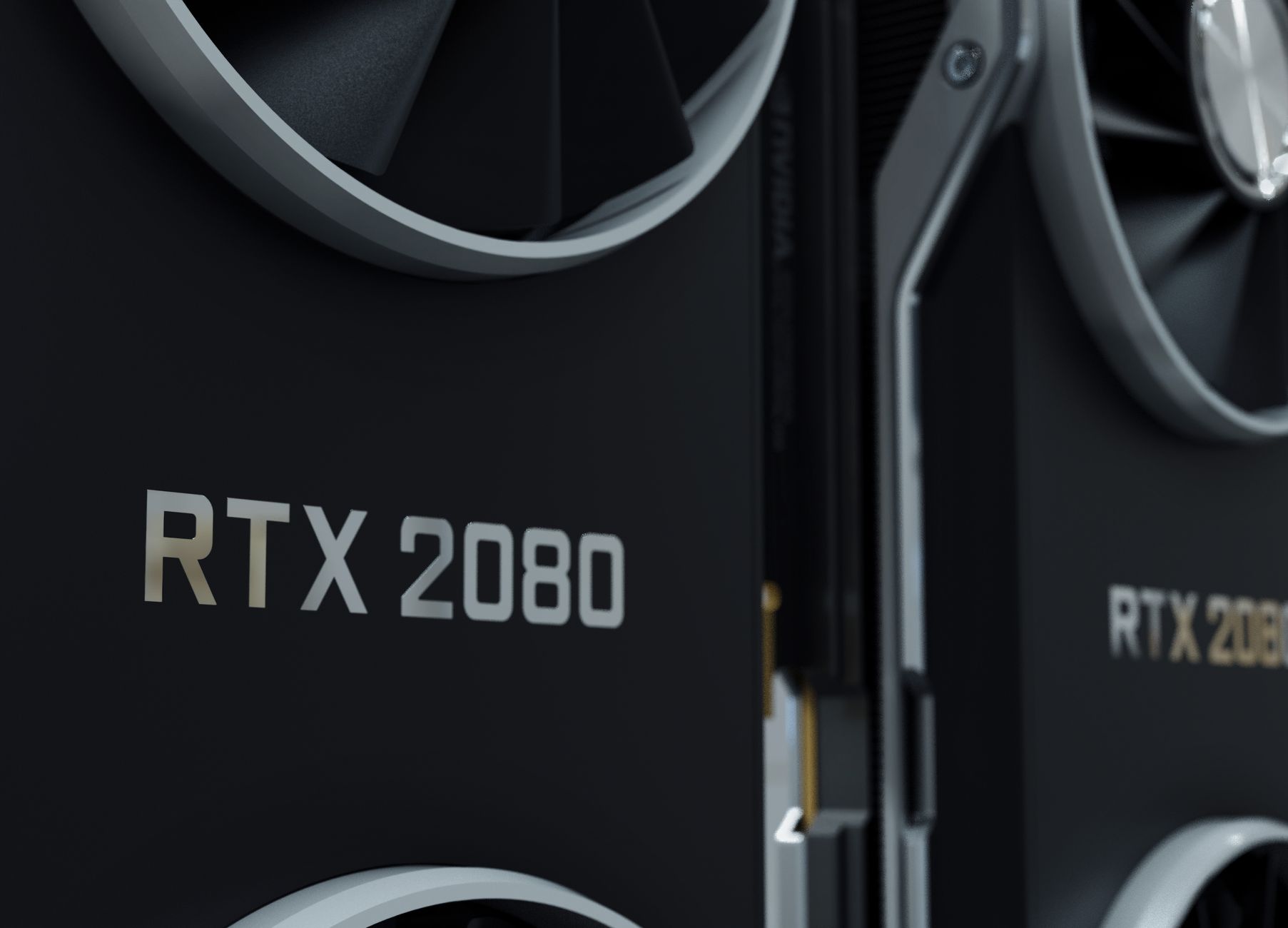
Nvidia expands Space-1 project with a new senior software role, signaling the company’s push to turn its orbital‑computing concept into a functioning system.
New posting targets software architecture for space‑based AI
The latest vacancy, listed on Nvidia’s careers site, calls for a “system software principal architect” to develop the software stack that will run the Space-1 platform. The role follows an earlier posting for an “orbital data center system architect,” which dealt with hardware, satellite links and overall system design. This time the focus shifts to making the code robust enough to survive radiation, temperature extremes and remote management.
Space‑1 aims to bypass Earth‑bound limits
Space‑1 is Nvidia’s first computing system intended for low‑Earth orbit. It is built around the company’s Vera Rubin AI chip platform, a name taken from the famed astronomer. The hardware promises high‑throughput AI processing in an environment where land, power and cooling are scarce. Proponents argue that moving workloads to orbit could free up terrestrial data‑center capacity, while critics point to the high launch costs and uncertain return on investment.
During a recent earnings call, Nvidia’s chief executive Jensen Huang acknowledged that “the economics around space computing are poor today but will improve over time.” That comment reflects a broader industry debate, as firms like SpaceX are also exploring orbital data centers, yet analysts remain divided on the long‑term viability.
Related: Finding the Best Home Equity Line of Credit & Credit Union Banking: A Strategic Guide
From concept to implementation
Space-1 was unveiled at Nvidia’s GTC conference in March, where Huang showcased the Vera Rubin chip’s capabilities and outlined a vision for AI processing beyond Earth’s atmosphere. The concept has remained largely theoretical, with few concrete milestones reported since the launch event. The recent job listings suggest the company is moving beyond the idea stage toward actual system development.
Designing software for space is unlike typical data‑center work. Engineers must account for delayed communications, limited power budgets and the need for autonomous fault handling. The principal architect will therefore be responsible for creating a resilient software layer that can be updated remotely, a requirement that adds complexity to the development cycle.
Space‑1 remains in early development.
Potential impact on the data‑center market
If successful, Nvidia’s orbital platform could open a new market segment for AI compute providers. Companies that need massive processing power but face constraints on terrestrial expansion might look to space‑based options as a supplement. However, the cost of launching and maintaining satellites remains a significant barrier.
Analysts at a research firm warned that “the economics of space‑based AI will only make sense if the cost per compute unit drops dramatically,” a sentiment echoed by several skeptics in the tech community. The comment highlights the uncertainty surrounding the commercial prospects of such projects.
Related: Fan Loses World Cup Ticket Worth 750
Another point of view comes from an academic researcher who studies satellite communications. He said that integrating AI workloads with existing satellite networks could be “a long‑term research problem,” implying that multiple breakthroughs are still needed before Space‑1 becomes a practical service.
Recruiting for a frontier
The job posting also lists typical benefits such as health coverage and retirement plans, but the unique challenge of the work is the draw for many candidates. “Working on software that runs in space is a rare opportunity,” one applicant reportedly told a recruiter, according to a source familiar with the hiring process.
In a slightly odd turn of phrase, the posting mentions that the role “will help build software for Space‑1, which the chip giant unveiled at its GTC event in March.” The repetition feels a bit redundant, but it emphasizes the link between the hardware reveal and the new hiring effort.
While Nvidia’s expansion of the Space‑1 team marks a concrete step forward, the broader industry still watches with cautious optimism. The upcoming months will likely reveal whether the company can translate its ambitious vision into a functional, cost‑effective space‑based AI service.



Leave a Reply