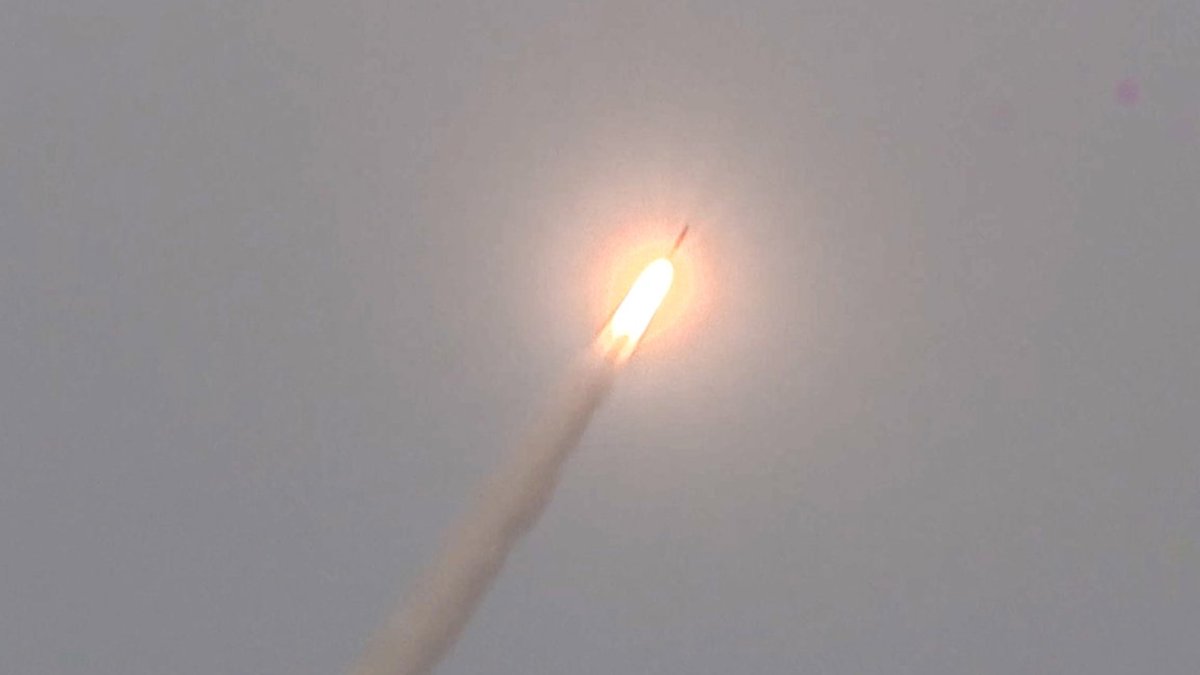
The United States is working on a hypersonic cruise missile capable of evading advanced air defense systems. According to the report, the DARPA agency is developing a next-generation hypersonic cruise missile (NGHCM) to counter the increasing sophistication of foreign integrated air defense systems.
This new missile is intended to be highly resistant to enemy defenses and affordable enough for mass production. The Pentagon is concerned that traditional American strike capabilities could be neutralized by advanced interceptors deployed by rival nations, limiting the flexibility of US military operations.
Development of the NGHCM
The primary goal of the NGHCM project is to create a weapon that balances payload and speed with stealth and maneuverability. To achieve this, DARPA is actively recruiting innovative technology companies and non-traditional defense partners, rather than relying solely on established subcontractors.
The agency’s request for information highlights three main areas of focus. First, it explores the overall design of the missile, considering how to balance payload and speed with stealth and maneuverability. It also examines various launch methods, including tactical aircraft, heavy bombers, vertical ground launchers, and ground-based strategic systems.
Technical Advances
The project focuses on critical technical advances, including the development of high-density fuels, supersonic combustion ramjet (scramjet) propulsion, materials capable of withstanding extreme temperatures, and effective energy management systems. DARPA is also seeking rapid testing methodologies for missions ranging from 250 to 2,000 nautical miles (approximately 460 to 3,700 kilometers).
Related: Taiwan Deploys Drones to Deter China Attack
The agency specifically wants testing protocols that allow for the collection of essential flight data without alerting adversaries to the timing or nature of the tests. As the US pursues the development of this technology, Russia has already deployed the 3M22 Zircon, a hypersonic scramjet missile used in the conflict in Ukraine.
Although Ukraine reports that some Zircons have been intercepted by American Patriot systems, developing a national hypersonic cruise missile remains a priority. DARPA, created during the Cold War to prevent strategic technological gaps, continues its mission of creating disruptive security technologies that often influence civilian innovation.
The development of such missiles is a complex process, involving significant advances in propulsion technology. The development of the NGHCM is also driven by the need to bypass traditional acquisition cycles, which can be slow and cumbersome. DARPA is seeking to accelerate the development process, with a focus on rapid testing and evaluation.
The NGHCM project is a critical component of the US military’s efforts to maintain its technological edge. As other nations continue to develop and deploy advanced military technologies, the US must be able to respond with its own innovations. The development of a hypersonic cruise missile is a key part of this effort, and DARPA is playing a leading role in making this technology a reality.
The impact of the NGHCM project extends beyond the military sector. The technologies developed through this project have the potential to influence civilian innovation. DARPA has a long history of developing technologies that have gone on to have a major impact on civilian society, and the NGHCM project is likely to be no exception.





Leave a Reply