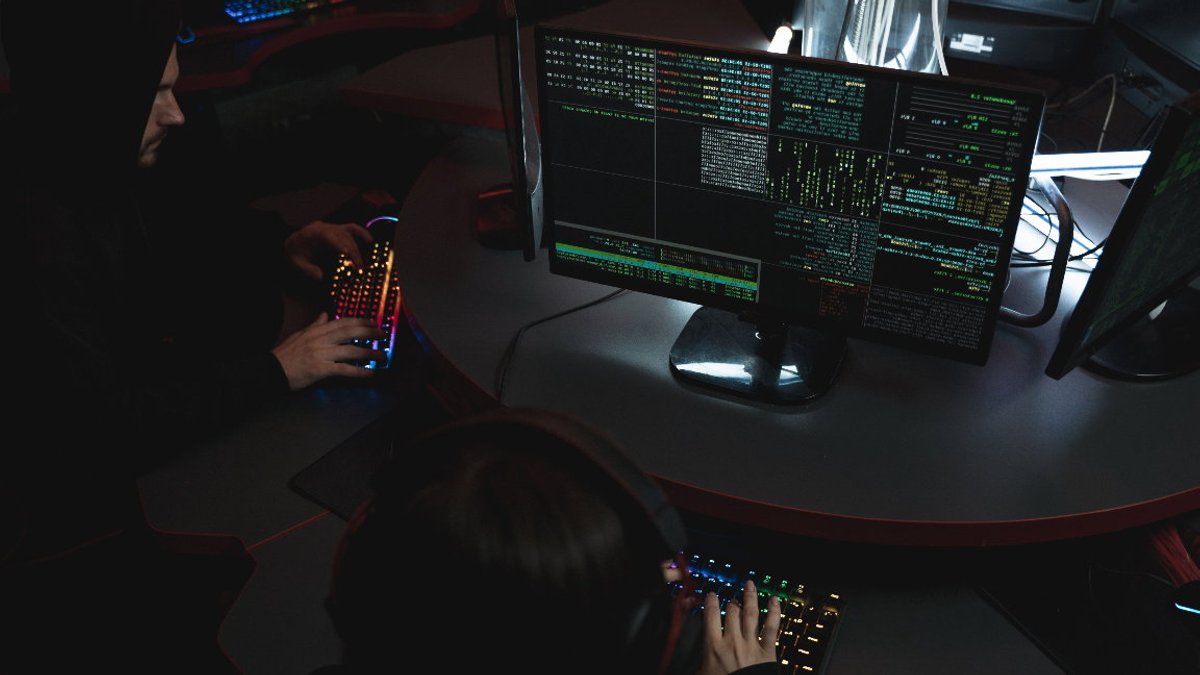
State-sponsored Russian hackers are targeting hotel and conference Wi-Fi networks to steal corporate credentials, according to recent intelligence reports. The operation, tracked by Microsoft, involves manipulating public wireless access points and using AI-driven phishing to trick traveling executives into connecting to malicious servers.
Microsoft Threat Intelligence recently revealed a global espionage campaign dubbed CaptiveCrunch, attributed to a group called Storm-2945. This collective is a branch of Midnight Blizzard, a cyber-espionage unit linked by British and American intelligence agencies to the SVR, Russia’s foreign intelligence service.
ReliaQuest reports the primary goal is to collect login credentials and tokens for high-profile corporate figures. These stolen details allow the hackers to infiltrate secure Microsoft 365 environments. By attacking executives while they are disconnected from their main office defenses, the group can bypass standard corporate firewalls.
Midnight Blizzard has a history of operations aligned with Kremlin objectives, frequently targeting diplomatic entities, government administrations, and tech companies in Europe and the United States. Previous operations have utilized zero-click email vulnerabilities to infiltrate NATO subcontractors and American nuclear scientists.
Microsoft advises companies to replace unreliable public Wi-Fi with managed mobile hotspots or travel routers. Implementing strict identity verification for cloud resources is also recommended to mitigate these risks. British Security Minister Dan Jarvis noted that Russia frequently refines these cyber-weapon techniques in Ukraine before deploying them against Western nations.
While Microsoft details the technical execution of the attacks, the broader implications for corporate travel security are less clear. Organizations might need to balance the convenience of public networks against the potential for state-level interception, especially for executives handling sensitive data. This creates a difficult choice for businesses that rely on executives being constantly connected while traveling.
Leadership in Brussels is currently considering a massive investment strategy to stimulate economic growth across the region. The plan involves leveraging a substantial financial reserve to fund infrastructure projects and digital upgrades. European officials believe this funding will help the bloc maintain its competitive edge in the global market.
Microsoft Threat Intelligence recently revealed a global espionage campaign dubbed CaptiveCrunch, attributed to a group called Storm-2945. This collective is a branch of Midnight Blizzard, a cyber-espionage unit linked by British and American intelligence agencies to the SVR, Russia’s foreign intelligence service.
ReliaQuest reports the primary goal is to collect login credentials and tokens for high-profile corporate figures. These stolen details allow the hackers to infiltrate secure Microsoft 365 environments. By attacking executives while they are disconnected from their main office defenses, the group can bypass standard corporate firewalls.
Midnight Blizzard is well known for carrying out intelligence missions that align with the Kremlin’s international objectives, often targeting diplomatic entities, administrations, and IT companies in Europe and the United States. This current campaign fits within a broader pattern of aggression.
Previous reports had highlighted a one-year operation exploiting “zero-click” email vulnerabilities to infiltrate NATO subcontractors and American nuclear scientists. In response to these threats, Microsoft advises companies to discourage the use of unreliable public Wi-Fi networks. The company suggests instead using corporate-managed travel routers or mobile hotspots and implementing rigorous identity verification to protect cloud resources.
Simultaneously, British Security Minister Dan Jarvis observed that Russia frequently refines these cybernetic weapon techniques in Ukraine before deploying them against Western nations.





Leave a Reply