Senator Mark A. Villar’s shift to the Senate majority has sparked concerns about the impartiality of Vice-President Sara Duterte-Carpio’s impeachment trial, particularly as investigations into his family’s business interests continue.
Read Also: Trump Urges Ukraine to Replace Zelensky Over Deal
Political Realignment and Timing Concerns
Senator Villar’s move from the minority to the majority bloc has raised questions about potential political motivations. Edmund S. Tayao, president of Political Economic Elemental Researchers and Strategists, stated that the transfer could undermine public confidence in the Senate’s ability to evaluate evidence objectively. Villar’s office did not comment on the decision. Senate Majority Leader Juan Miguel F. Zubiri denied political considerations influenced the transfer, noting Villar sought a more “productive” role. However, Tayao suggested the move may be linked to Villar’s 2028 reelection ambitions. Rogelio Alicor L. Panao, a political science professor at the University of the Philippines, cautioned that impeachment votes do not necessarily affect electoral outcomes, citing the 2001 Estrada impeachment trial where four senators who voted against evidence were reelected.
Committee Appointments and Conflict of Interest
Villar’s appointment as chairman of the Senate Public Works Committee and his seat on the Commission on Appointments have drawn scrutiny. The timing of these roles coincides with government investigations into his family’s businesses. The Office of the Ombudsman opened an inquiry on June 15 into Villar and his sister, Senator Camille A. Villar, over delays in the Light Rail Transit Line 1 Cavite extension project. Separate investigations target PrimeWater Infrastructure Corp., linked to the Villar family, for alleged graft. Panao warned that Villar’s control over the Public Works Committee while facing infrastructure-related probes raises conflict-of-interest concerns. He suggested legislative oversight could weaken if committee leadership shields private interests from scrutiny. Tayao noted the appointments might reduce the likelihood of investigations into the family, though other senators could still initiate hearings.
Senate Impeachment Court Rules
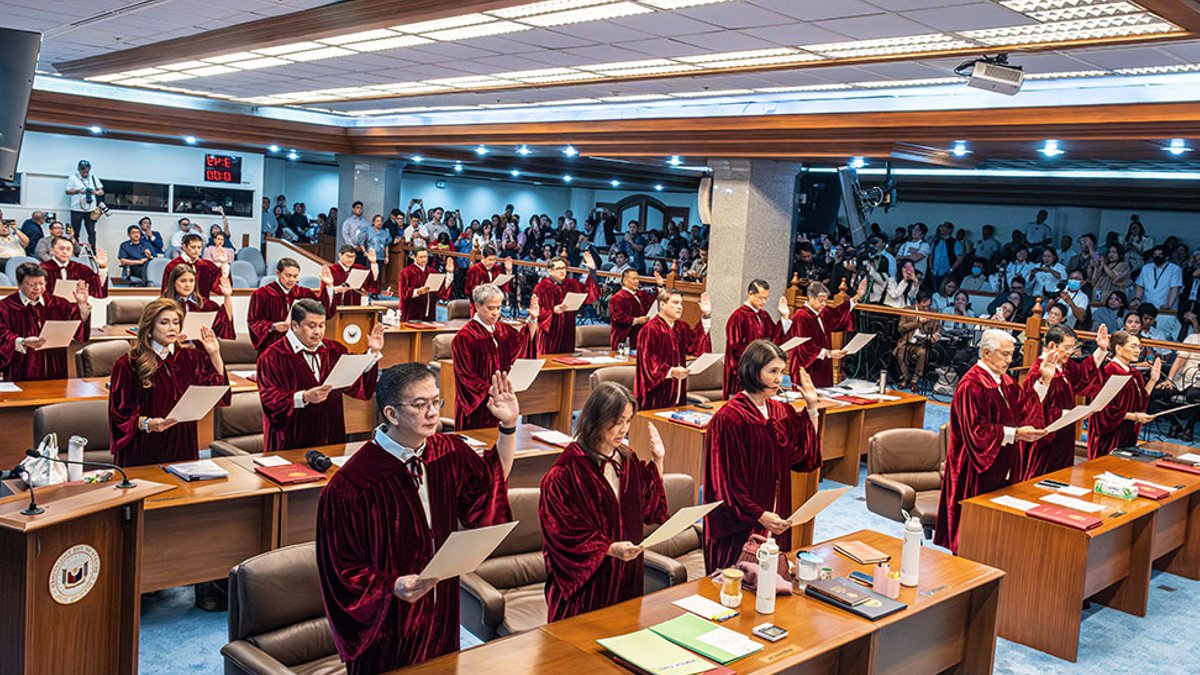
The Senate, sitting as an impeachment court, last month ruled that only senator-judges who could participate when the verdict is rendered would be counted in determining the two-thirds majority required for conviction. This replaces a prior interpretation requiring 16 votes based on the full 24-member Senate. Conviction would require 14 votes if 20 senator-judges remain eligible to participate. Analysts argue such political realignments and committee appointments amid impeachment proceedings reinforce perceptions that Senate decisions are driven by alliances rather than impartiality. Panao emphasized that senators are politicians first, making decisions based on political calculations rather than judicial neutrality. The Ombudsman was also investigating PrimeWater Infrastructure Corp., a water utility linked to the Villar family, over alleged graft and corruption.
Read Also: Toyota donates to Tamaraw conservation efforts
Further scrutiny emerged regarding Villar’s dual roles during this critical period. His leadership in the Public Works Committee overlaps with ongoing probes into infrastructure projects tied to his family’s business interests. Panao highlighted that such arrangements could compromise the committee’s independence, as Villar oversees projects under investigation. The Ombudsman’s June 15 inquiry specifically targets delays in the LRT-1 Cavite extension, a project with significant implications for the Villar family’s business operations. PrimeWater Infrastructure Corp. faces separate graft allegations, further complicating the political scene. Analysts note that these concurrent roles and investigations create a complex web of potential conflicts that may influence public trust in the Senate’s impartiality.





Leave a Reply