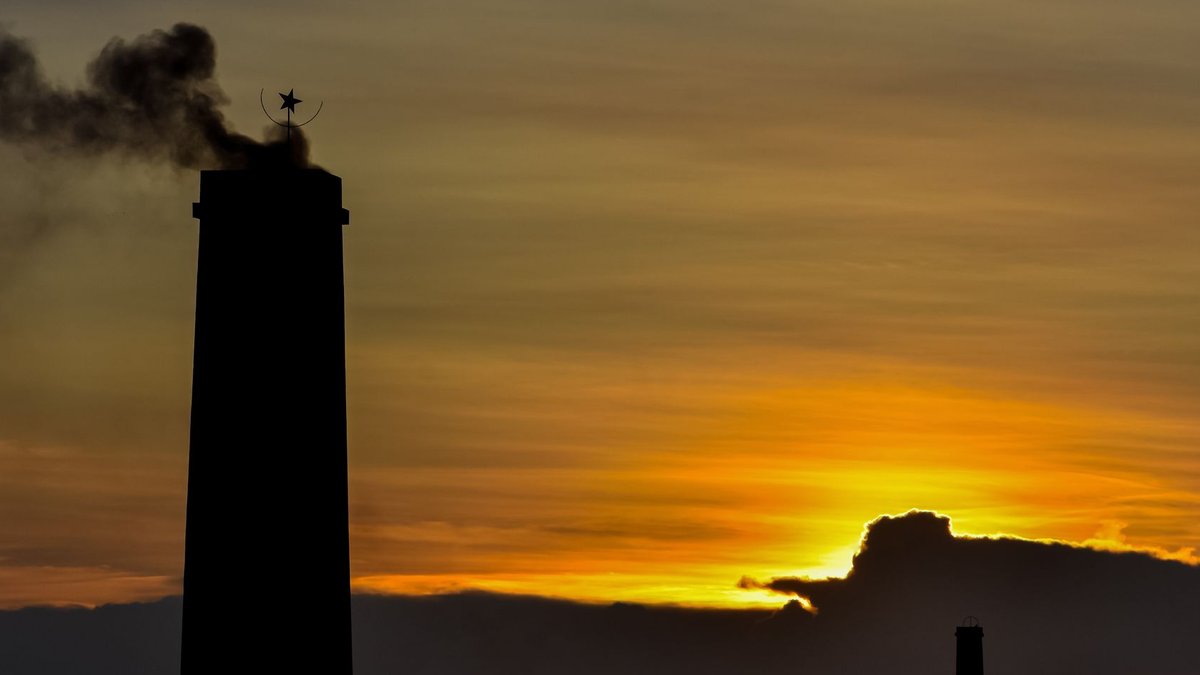
Unilever Philippines plans to lower its greenhouse-gas output, targeting net-zero status by 2039. It is moving toward renewable power, converting its vehicle fleet to electric models, and assisting suppliers in trimming their overall emissions.
The Philippines is one of Southeast Asia’s most climate-exposed economies, making it a priority for Unilever to turn low-carbon ambition into action. Unilever Philippines said climate action is embedded in its business operations, including managing risk and building a resilient supply chain.
The company has set a target to reduce its Scope 1 and 2 greenhouse gas emissions by 100% by 2030 from a 2015 baseline. By the end of 2025, it had already reduced these emissions by 77% against the baseline.
Read Also: Yulo wins Philippines’ first Asian Games gold
Among the key measures implemented are the use of renewable energy, electrification of its fleet, and engagement with suppliers to reduce emissions. Unilever Philippines shifted to 100% renewable grid electricity in 2019 through geothermal energy and has installed rooftop solar panels across its facilities.
The company has also committed to transitioning its owned fleet to 100% hybrid electric vehicles by 2030. Additionally, it is working with suppliers through its global Supplier Climate Programme, providing tools and resources to help priority suppliers measure and reduce their greenhouse gas emissions.
The United Nations defines net zero as cutting emissions to a small amount of residual emissions that can be absorbed by nature or through other carbon dioxide removal measures. As of June 2024, 107 countries had adopted net-zero pledges, while more than 9,000 companies had joined the UN-backed Race to Zero, committing to take action to halve global emissions by 2030.




Leave a Reply