
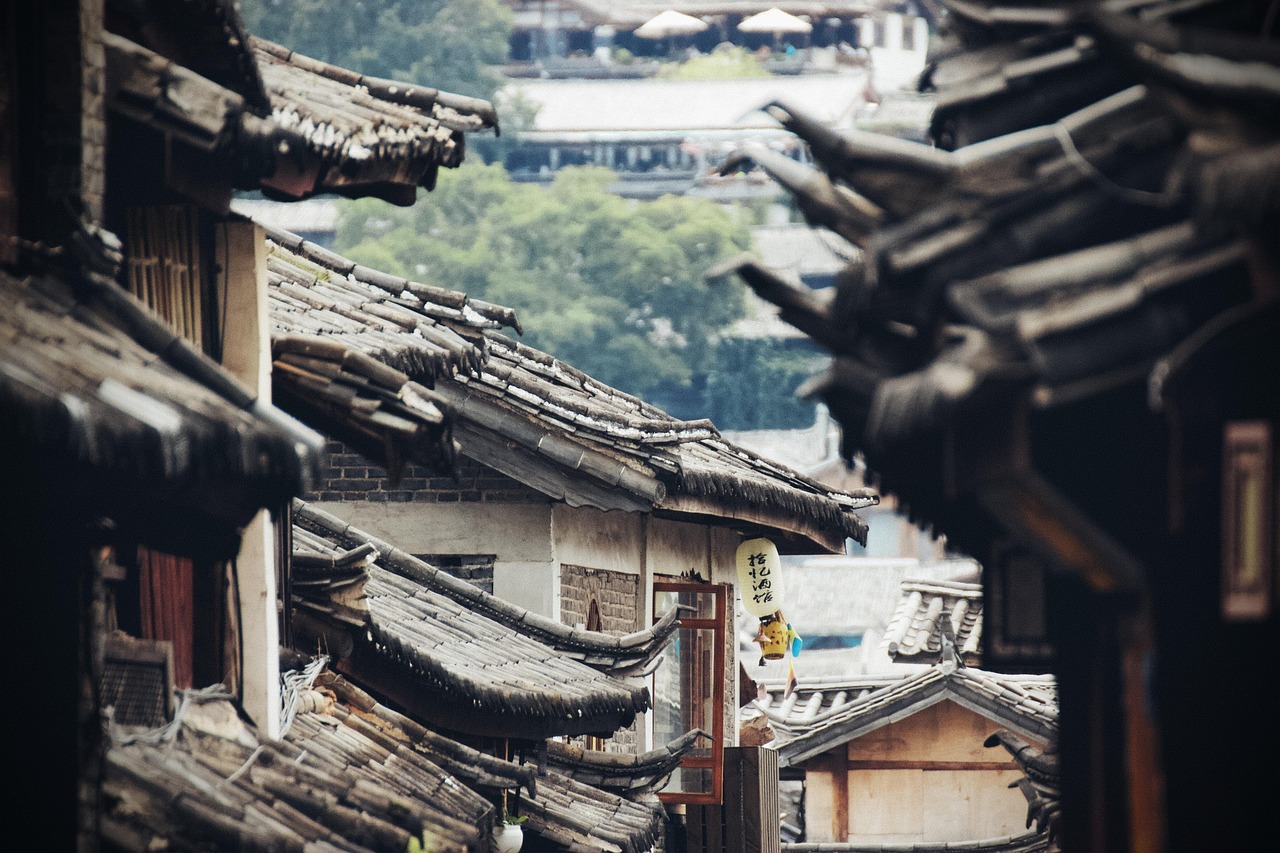
A Buddhist priest in rural Hokkaido confronted a pressing financial dilemma: his 100-year-old temple required $162,000 for repairs, but donations were insufficient. Koukyo Yoneta, who had worked as a salesman at Daiwa Securities before becoming a monk, took an unconventional step. Rather than depend on alms, he allocated the temple’s existing funds into US Treasuries, Japanese REITs, and stocks such as BYD and Hyundai. This strategy yielded over 10% annual returns, covering the repairs without financial strain.
Yoneta’s method reflects a broader trend among Japanese Buddhist temples, institutions traditionally detached from material concerns now turning to financial markets for survival. The shift stems from Japan’s declining religious participation, with the Buddhist population shrinking 14% over two decades as older followers pass away and younger generations, particularly in urban areas, disengage from organized faith. Temples have historically relied on funeral fees, but revenues plummeted after COVID-19 when ceremonies became smaller and less costly. Meanwhile, inflation—unusual in Japan’s long history of price stability—has risen due to a weaker yen and labor shortages, increasing expenses for energy and wages alike.
This financial pressure creates a conflict with core Buddhist principles. The faith historically discourages material attachment, yet temples now face the same economic challenges as any business: declining income and escalating costs. Some priests maintain conservative portfolios, keeping most funds in cash with minimal low-risk investments. Others, like Yoneta, pursue more aggressive market strategies. Larger Buddhist organizations are now purchasing government bonds, now that Japan’s rising interest rates make them attractive again.
Japan’s temples turn to markets for survival
The adaptation signals a fundamental economic transformation in Japan. For decades, the country exemplified ultra-low inflation and cash hoarding, but an aging society and currency weakness now force even its most traditional institutions to adjust—or face insolvency.
Read Also: India struggles to keep black mass for domestic battery recycling
New tech tracks global stress in real time
Over the past month, 131 global communities wore devices like Garmin watches, Whoop bands, and Oura rings to track physiological stress markers. Participants also maintained daily journals, combining heart-rate data with subjective well-being assessments. The result was a Peace Score ranging from 0 to 100, with 50 as the baseline.
The system aims to create a measurable early-warning tool for societal stress, comparable to meteorologists predicting storms. Currently, collective stress lacks quantifiable metrics governments can act upon. If successful, health authorities could use the data to justify increased funding for mental health and social programs. However, Bhutan’s experience measuring national happiness since the 1970s offers a cautionary note: only half its citizens meet the government’s own happiness benchmark, despite decades of tracking.
The World Health Organization’s latest data shows countries still allocate just 2% of health budgets to mental health, a figure unchanged since 2017. If wearable technology and self-reported stress levels fail to shift this allocation where traditional surveys have not, the project’s effectiveness remains uncertain.
The Peace Score’s initial phase also examined cultural differences in stress expression. In Tokyo suburbs, participants’ heart-rate variability spiked during rush-hour commutes, while in rural India, stress levels rose after dusk when families gathered for evening meals. Urban stress correlated with commuting and work deadlines, whereas rural stress linked to social obligations and economic concerns.
Read Also: India regulator proposes insurance sales reforms
Accessibility gaps threaten Peace Score’s reach
Yet the project’s reliance on wearable devices raises accessibility concerns. The Garmin watches, Whoop bands, and Oura rings used in trials cost between $150 and $300 each, excluding lower-income groups whose stress levels might differ most from wealthier participants. Early feedback from a Nairobi community revealed that even when devices were loaned, some users struggled with daily journaling, leading to incomplete data. The developers acknowledged these limitations and plan to explore cheaper alternatives, such as smartphone apps or basic pulse oximeters, while retaining physiological stress measurements.
Skepticism remains among public health experts. A study found that self-reported stress measures often diverge from physiological data, particularly in cultures where emotional expression is stigmatized. Even with wearables, the Peace Score might still reflect individual biases, such as suppressing stress to appear resilient, rather than genuine collective strain. The core challenge lies in convincing societies to treat stress as a measurable risk factor rather than a personal issue.
Can stress data prevent societal collapse?
While inflation or unemployment rates signal economic distress, they do not predict the social unrest that often follows. If the scores prove reliable, they could help policymakers intervene before crises escalate. Without government or health system adoption, however, even the most precise data may remain unused.
Testing a Wearable-Based Stress Measurement System Globally
A research project recently deployed a monitoring system called Peace Score, designed to assess societal stress through wearable technology. The data was paired with daily self-reported well-being entries to generate a composite score between 0 and 100, with 50 serving as the neutral midpoint.



Leave a Reply