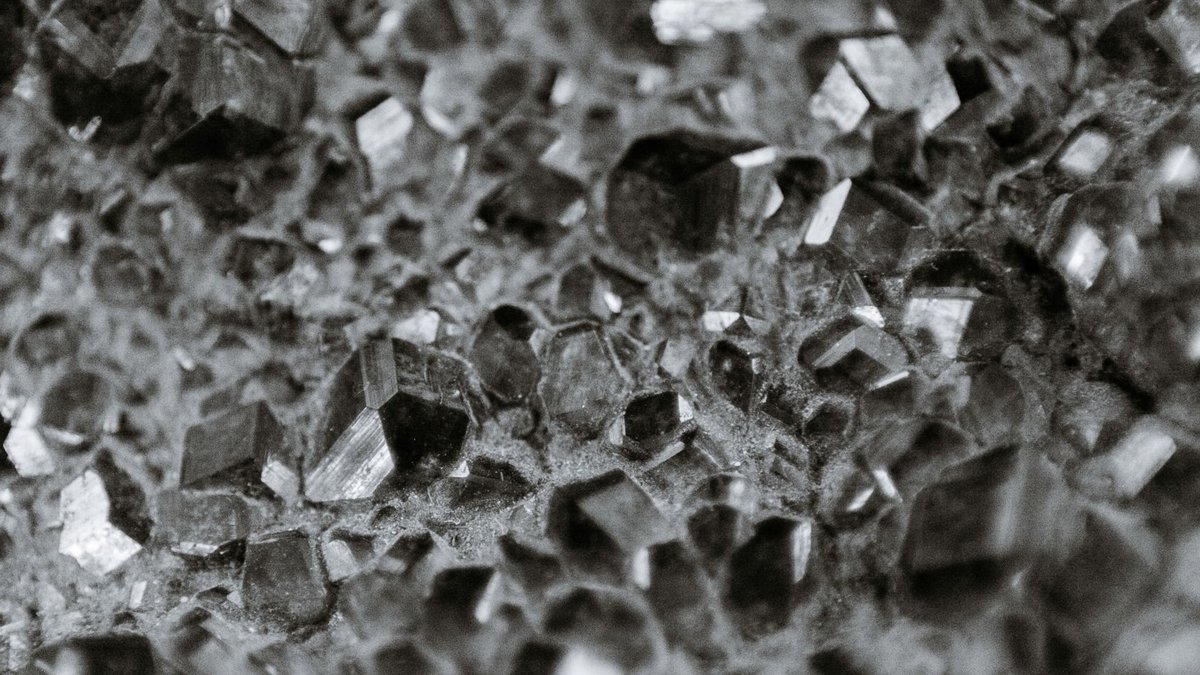
India is racing to secure its energy future, yet the nation faces a distinct hurdle in battery recycling: black mass. This dark powder, which makes up 40–50% of an electric vehicle battery’s weight, contains valuable lithium, cobalt, and nickel. The material sits at the center of a national push to recover critical minerals without relying on imports, especially as China tightens control over rare-earth elements and processing equipment.
The push for domestic processing
India’s government rolled out a ₹1,500 crore incentive scheme to encourage recycling. The program runs through FY31 and offers capital subsidies and operating expenditure support to companies that set up processing plants. The goal is to extract critical minerals from used batteries rather than relying on foreign supply chains. Officials argued that building new mines would take years, so recovering existing minerals from scrap was the logical short-term strategy.
However, the policy targets only facilities that fully extract minerals, not those that simply produce black mass. The government banned black mass exports last year to keep the material within India and build a stronger domestic refining ecosystem. Despite this ban, some shredding companies found ways to export the powder using incorrect labels. This suggests that existing regulations are not clear enough to stop the flow of raw material out of the country.
Global markets are moving toward stricter controls on unprocessed minerals. Many African nations and other countries have begun restricting the export of raw materials that have not yet been “beneficiated”—a process that increases a material’s usefulness and value. India is following this trend, but the domestic infrastructure to process black mass on a large scale remains insufficient. As a result, recyclers often export the powder to foreign refineries where it is processed and the minerals are extracted.
Domestic refiners struggle to compete with international buyers. Facilities in China and South Korea operate at a massive scale and can pay more for black mass. They also tend to settle payments faster than Indian firms, which may offer lower prices and delay payments. This financial imbalance pushes Indian shredding companies to take regulatory risks and export the material abroad. The loss of this feedstock forces companies like Rubamin and Attero to import the raw materials they need for refining, often at a higher cost.
When India exports black mass and later imports refined minerals, it defeats the purpose of energy security efforts. The government needs to align departments such as customs, the Directorate General of Foreign Trade, and the Central Pollution Control Board on a single definition for LIB black mass. Clearer rules would help officials spot when companies misclassify the material to bypass export restrictions. Simultaneously, the incentive scheme must make domestic processing affordable enough to compete with foreign buyers.
The challenge of market demand
Even if India retains black mass and extracts minerals locally, a market for the final products does not yet exist. Yet, domestic battery manufacturing capacity remains extremely limited. Cell manufacturing capacity stood at roughly 1 gigawatt-hour by the end of 2025. Most lithium-ion batteries used in the country still come from China.
Furthermore, the country lacks battery-grade cathode producers. Cathodes are the positive electrode components in a battery cell. Without local producers of these critical materials, the recovered minerals may still leave the country. India could refine the lithium, cobalt, or nickel domestically and then export the finished materials to global markets. This outcome would mirror the current cycle of exporting raw black mass and importing refined inputs.


Leave a Reply