Understanding Nature’s Challenge and Human Ingenuity
Consider for a moment the remarkable material that is marine plywood singapore, a testament to human ingenuity in the face of one of nature’s most persistent forces: water. In this island nation surrounded by sea, where humidity hovers perpetually near saturation and tropical rains arrive with clockwork regularity, we have engineered a wood product that defies what seems inevitable. Marine plywood represents not merely processed timber, but a profound understanding of chemistry, physics, and the behaviour of materials under stress.
The Science Behind Marine Plywood
To comprehend marine plywood is to understand the molecular dance between water and wood. Ordinary plywood, constructed with standard adhesives, succumbs to moisture through a process called delamination. Water molecules, small and persistent, work their way between layers, breaking the bonds that hold them together. Marine plywood Singapore suppliers offer counters this through phenolic resin adhesives, complex polymers that form waterproof barriers impervious to moisture’s patient assault.
The construction involves precise layering. Thin veneers of wood, each rotated 90 degrees from its neighbour, create what engineers call cross-grain construction. This arrangement distributes stress uniformly, preventing the warping and splitting that plague single-direction grain. The result possesses strength approaching that of steel, weight far less, and a flexibility that rigid materials cannot match.
Each layer must be free from voids, those microscopic pockets where moisture could accumulate and begin its destructive work. Quality marine plywood contains no gaps in its core, a specification that distinguishes genuine marine grade from inferior imitations.
Why Singapore’s Climate Demands Excellence
Singapore exists in what might be called a perpetual test chamber for materials. Humidity rarely drops below 70 per cent. Temperatures remain consistently warm, accelerating chemical reactions that degrade materials. Coastal salt spray adds corrosive elements to the equation. Tropical storms deliver water with remarkable intensity.
As one marine construction specialist observed, “In Singapore’s environment, materials either adapt or fail. There is no middle ground. Marine plywood has proven itself through decades of use in the most demanding applications.”
This climate has shaped the marine plywood market in Singapore into one of the world’s most discerning. Suppliers understand that reputation depends on material performance measured not in months but in years and decades.
Applications Across Industries
Marine plywood finds purpose wherever water and wood must coexist. Boat building remains its ancestral application. From small pleasure craft to larger working vessels, marine plywood forms hulls, decks, and bulkheads. Its strength-to-weight ratio makes possible designs that would be impractical with heavier materials.
Consider these varied applications:
• External cladding on buildings exposed to weather
• Permanent formwork for concrete in wet conditions
• Flooring in commercial kitchens and food processing facilities
• Bathroom and kitchen cabinetry in humid environments
• Outdoor furniture designed for tropical exposure
• Signs and displays requiring weather resistance
Construction sites across Singapore deploy marine plywood as temporary hoarding and site fencing, where its durability justifies the higher initial cost through extended service life.
Distinguishing Quality from Imitation
The marine plywood market contains gradations of quality that the uninformed might miss. Genuine marine grade adheres to British Standard BS 1088 or equivalent international specifications. These standards mandate specific wood species, adhesive types, and manufacturing processes.
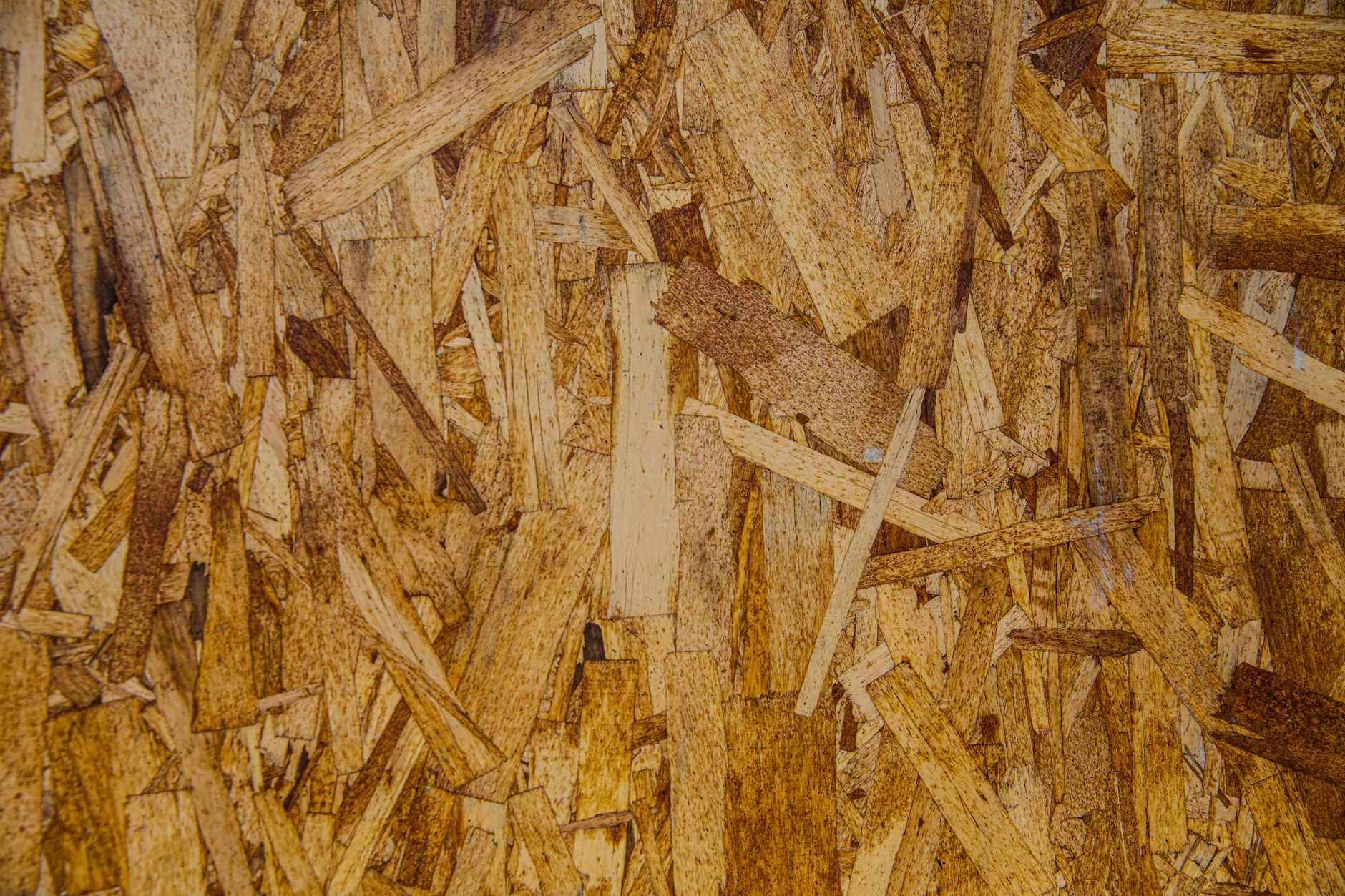
Visual inspection reveals much. Examine the edges. Quality marine plywood shows consistent, void-free cores with uniform veneer thickness. The face veneers should be smooth, with minimal defects. Knots, if present, must be small and sound, not loose or missing.
Weight provides another clue. Marine plywood feels denser than standard varieties, its layers compressed tightly during manufacture. This density contributes to both strength and water resistance.
Documentation matters enormously. Reputable marine plywood Singapore distributors provide certification proving compliance with recognised standards. Request these documents. Their absence should raise immediate concerns.
The Economics of Durability
Marine plywood costs considerably more than standard grades, a premium that reflects both materials and manufacturing complexity. Yet this higher price often represents superior value when lifespan enters calculations.
Standard plywood in marine applications might last two to three years before requiring replacement. Marine grade can perform for decades with proper maintenance. Calculate replacement costs, labour, and project disruption, and the economic logic becomes clear.
“We learned this lesson expensively,” noted a facilities manager. “Cheap plywood in our outdoor applications meant constant replacement cycles. Marine grade cost three times more initially but lasted ten times longer. The mathematics favoured quality decisively.”
Proper Installation and Maintenance
Even marine plywood requires respect for basic principles. Edge sealing prevents moisture ingress through vulnerable end grain. Proper ventilation behind panels prevents moisture accumulation. Appropriate fasteners, stainless steel or hot-dipped galvanised, prevent rust staining and structural failure.
Periodic inspection catches problems early. Look for edge swelling, surface checking, or fastener corrosion. Address issues promptly before they cascade into larger failures.
Environmental Considerations
The marine plywood industry faces increasing scrutiny regarding sustainability. Responsible manufacturers source veneers from certified forests, ensuring harvest rates remain below growth rates. Modern phenolic adhesives, while waterproof, comply with formaldehyde emission standards protecting both workers and end-users.
Singapore’s building authorities increasingly mandate environmental certification for construction materials. This regulatory pressure drives the entire supply chain towards verifiable sustainability.
A Material for the Future
We live in an era demanding both performance and responsibility from our materials. Marine plywood represents a technology refined over generations, now meeting contemporary standards for environmental stewardship. Its ability to withstand tropical conditions while delivering structural performance makes it indispensable in Singapore’s built environment.
The next time you encounter a structure braving Singapore’s elements, consider the invisible engineering that makes it possible. Behind seemingly simple wood panels lies sophisticated material science, a small but significant example of human capability to understand and work with natural forces rather than against them. That understanding continues to evolve through suppliers dedicated to providing the finest marine plywood singapore can offer.