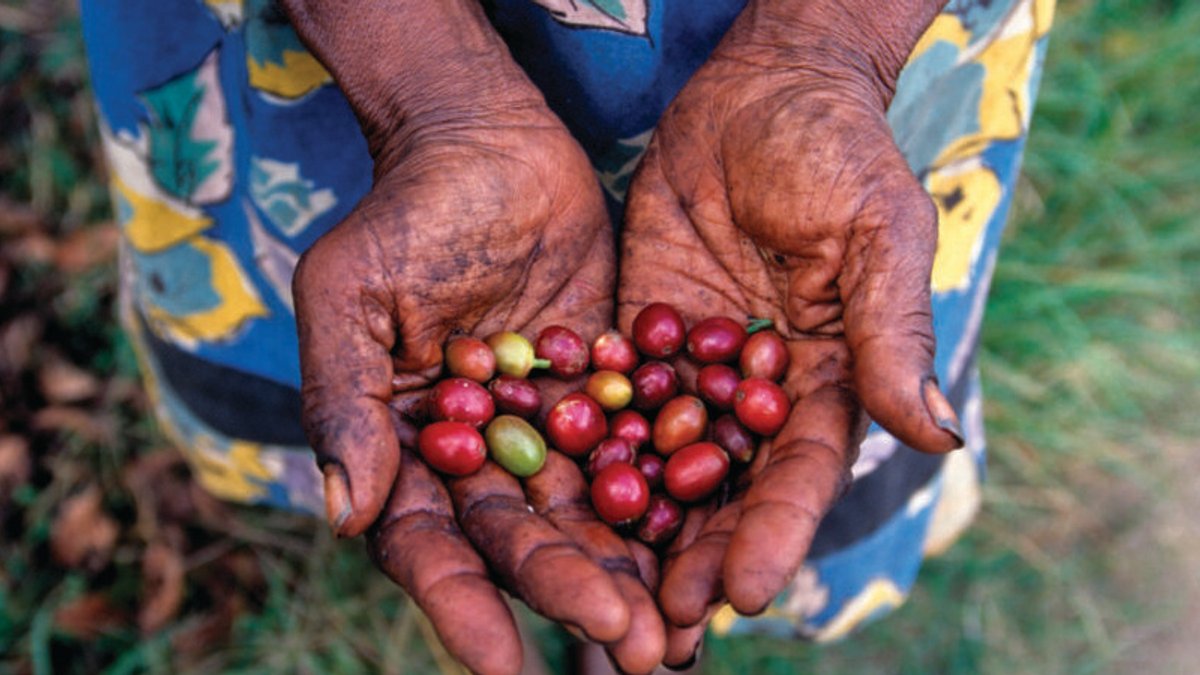
Australia remains the largest importer of Papua New Guinean coffee, with 21 percent of all exported PNG coffee destined for its closest neighbour, according to the Coffee Industry Corporation (CIC). The trade flow not only moves beans across the Torres Strait but also carries a vital source of foreign exchange for PNG, helping producers sustain families and invest in local projects.
In 2025, PNG harvested 74,400 tonnes of coffee beans, and roughly half of that volume reached markets beyond its borders. Coffee ranks as the country’s largest agricultural export after palm oil, generating K1.31 billion in revenue during the most recent fiscal year. Although PNG does not sit among the world’s top-producing nations, the presence of a dedicated Minister for Coffee shows the crop’s strategic significance for the government.
From Highlands to Cafés: A Personal Journey
Vic Lynch, a coffee roaster and green-coffee buyer who operates out of northern New South Wales, spent his childhood on coffee plantations in Kundiawa, PNG. His family’s deep roots in the Highlands have shaped his business philosophy, which centres on creating value for farmers rather than merely purchasing beans for resale.
Lynch now runs cafés in Sydney and Lismore, where he showcases PNG coffee and actively seeks ways to improve livelihoods at the farm level. He explains that his aim is to “positively impact people at the farm level; not just giving handouts, but seeing what people need to improve their livelihoods.”
The sector employs over 2.5 million Papua New Guineans, the majority of whom are small-holder growers tending modest plots. These producers face a suite of challenges, including ageing tree stocks, insufficient infrastructure, and limited market access. Many must transport their harvest to roadside collection points, sometimes walking several kilometres before the beans can be loaded onto trucks.
Related Post: Miners boost Papua New Guinea exploration
Although the global specialty coffee market accounts for only about 10 percent of total coffee trade, it offers a platform for PNG’s distinctive flavors to reach discerning consumers. Lynch stresses that traceability and fair payment are essential, drawing a parallel with the wine industry’s focus on terroir and provenance.
A Legacy of Connection
Malcolm Pyalanda, owner of Enga Coffee in Ballarat, inherited the business from his father, Takura, who used earnings from coffee to become one of the first doctors in Enga Province. Malcolm continues to source beans from the Wapenamanda district, directing profits toward micro-financing schemes and educational initiatives that benefit the local community.
He reflects, “I inherited a coffee roaster, but I think I also inherited dad’s sense of duty toward the people in and around the Wapenamanda region.” This personal commitment fuels his ongoing partnership with growers.
In Tasmania, de Lacey Coffee Roasters is a family-owned business of over 30 years. Darren de Lacey was lured to PNG, where he travelled through coffee nurseries, plantations and processing factories, training and advising on coffee development.
De Lacey notes, “We buy coffee from PNG not only because of our affection and connection to the country, but because we love the cocoa, toffee and caramel flavour characteristics of the beans,”





Leave a Reply