Papua New Guinea’s oil and gas exploration efforts are expanding, with companies targeting both a major deepwater discovery and established onshore gas fields. Industry players anticipate the nation could contain some of the Asia-Pacific’s most significant untapped petroleum reserves, driving partnerships between explorers and potential investors.
Drilling at PNG’s first deepwater exploration well, Mailu-1 in the Torres Basin, began in June 2026, with joint venture partners TotalEnergies and Petronas deploying a drillship with 180 crew members to the site.
Nearby, at Petroleum Prospecting Licence 579, Larus Energy is planning to commence drilling of the Nanamarope oil prospect by the end of 2027. John Chambers, Larus Managing Director, says “Total is drilling the first well in this basin. We’re hoping to drill the second.”
Larus is chasing younger sandstones “that washed into the basin in the Miocene age,” according to Chambers. The company is open to offering an equity stake in exchange for funding the drilling campaign and has companies in commercial negotiations.
Chambers notes the increased urgency around securing reliable supplies of oil and gas from outside of the Middle East. He says it is beneficial to have a competitive process, as this allows them to understand exactly what other parties are offering and ensure that they get the best deal from the perspective of their shareholders and the Papua New Guinea Government.
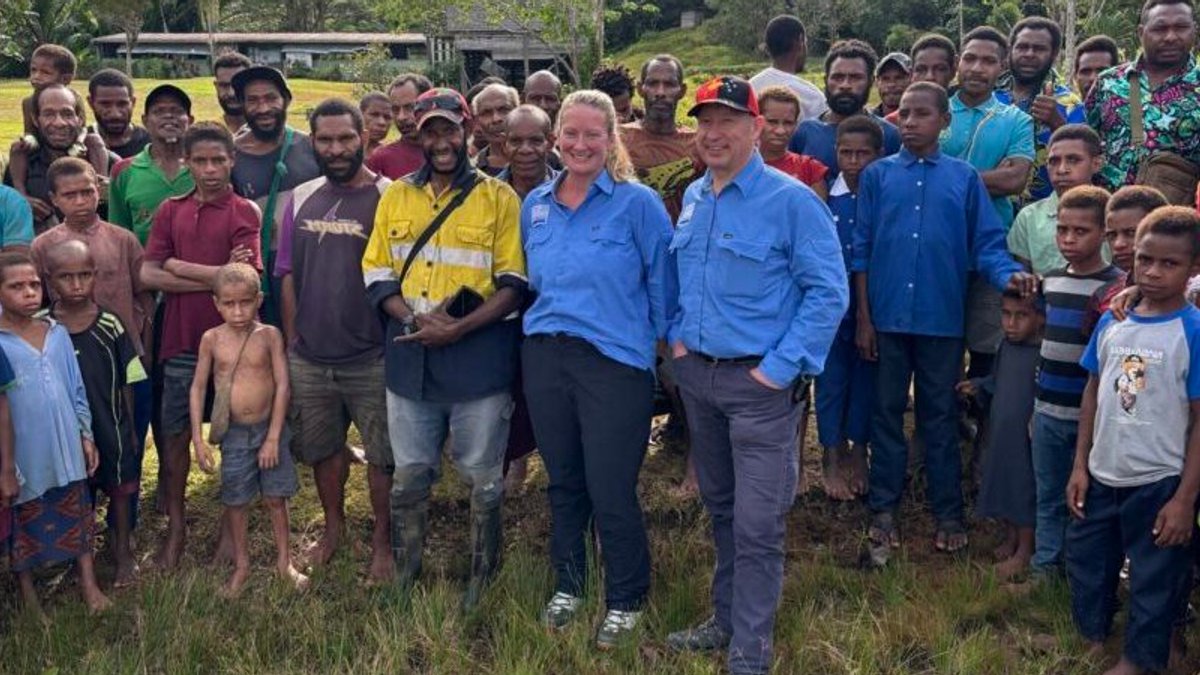
Onshore in Western Province, Heritage Oil is targeting a farm-out for two licences, PPL 437 and PPL 676, where its neighbours include established gas discoveries P’nyang, Elevala, Ketu, and Stanley. Rachael Haslar, Heritage’s Head of Exploration PNG, says interest in a farm-in partner has come chiefly from Asian companies.
Heritage’s flagship gas prospect, Malisa, situated within PPL 437, holds an estimated two trillion cubic feet of gas, based on seismic mapping and analogue data from nearby discoveries. Production of gas condensate from Malisa is expected to support early cashflow ahead of larger-scale gas development.
Across its two licences, Heritage has mapped 10 prospects containing an estimated 14 trillion cubic feet of gas. Haslar says the scale of PNG’s hydrocarbon structures still surprises her, with proven wet gas structures “just sitting around one TCF, ready for investment.”




Leave a Reply