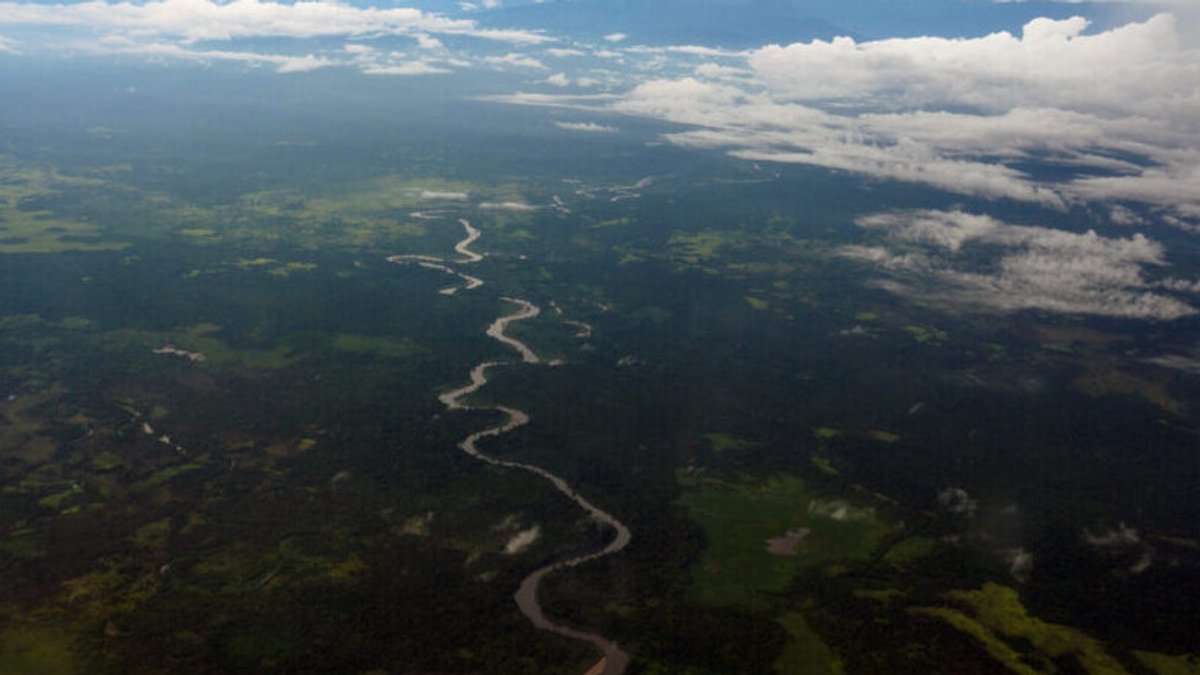
Papua New Guinea’s economy faces a critical test as El Niño intensifies, with business leaders warning of broader fallout. Over 25% of the country is already in a “drought critical” state, according to the PNG National Weather Service.
David Kavanamur, Managing Director of Kumul Consolidated Holdings, describes the situation as “possibly the biggest El Niño in the history of the country.” Low river levels are disrupting power and water supply, affecting PNG Power and Water PNG.
Power Shortages and Rising Costs
The utility has begun load shedding across its Port Moresby, Ramu, and Gazelle grids because reduced hydropower generation cannot meet demand. In the capital, the Chamber of Commerce’s Mary Johns notes a growing reliance on diesel-generated power, which pushes electricity prices higher for businesses and households alike.
The World Meteorological Organization predicts that the climatic episode will persist until May 2027, with a “high chance” of it being the strongest since 1950. The national government has earmarked K500 million for a coordinated response, and a portion of that amount has already been distributed to affected regions.
Economic Resilience Amid Challenges
Despite the weather event and the ongoing global fuel crisis, the economy remained stable in 2026, according to Andrew Betteridge, chief executive of ANZ Papua New Guinea. He highlighted that commodity prices have stayed firm, and he credited government subsidies for softening the impact of higher fuel costs on consumers.
The central bank maintains its growth projection for the year at 3.5%, a reduction from the previous forecast of 6.2% for the prior year.
Daniel Faunt of the bank explains that the main concern is how the weather pattern interacts with a “softer global macro environment.” He adds that the regional outlook will improve if geopolitical tensions ease and if the climate event does not amplify existing economic stresses.
Human and Supply Chain Impacts
Beyond macro data, leaders stress the human toll. Westpac PNG chief executive Andrew Cairns points out that households and workers are feeling the strain. Kavanamur highlights the contrast between Port Moresby, where power and water are relatively reliable, and remote communities that depend on river flow for both energy and drinking water.
Betteridge notes that the bank is focusing on supporting customers who are directly affected, while also helping businesses build resilience across the country. He observes that strong export receipts have helped stabilize the foreign-exchange market, with mining shipments providing the bulk of inflows.
Andrew Cairns says that forex orders once took “weeks, if not months” to process, but are now clearing in “days to a week.” The economy has shown resilience so far, and efforts to support those affected and build resilience are ongoing.





Leave a Reply