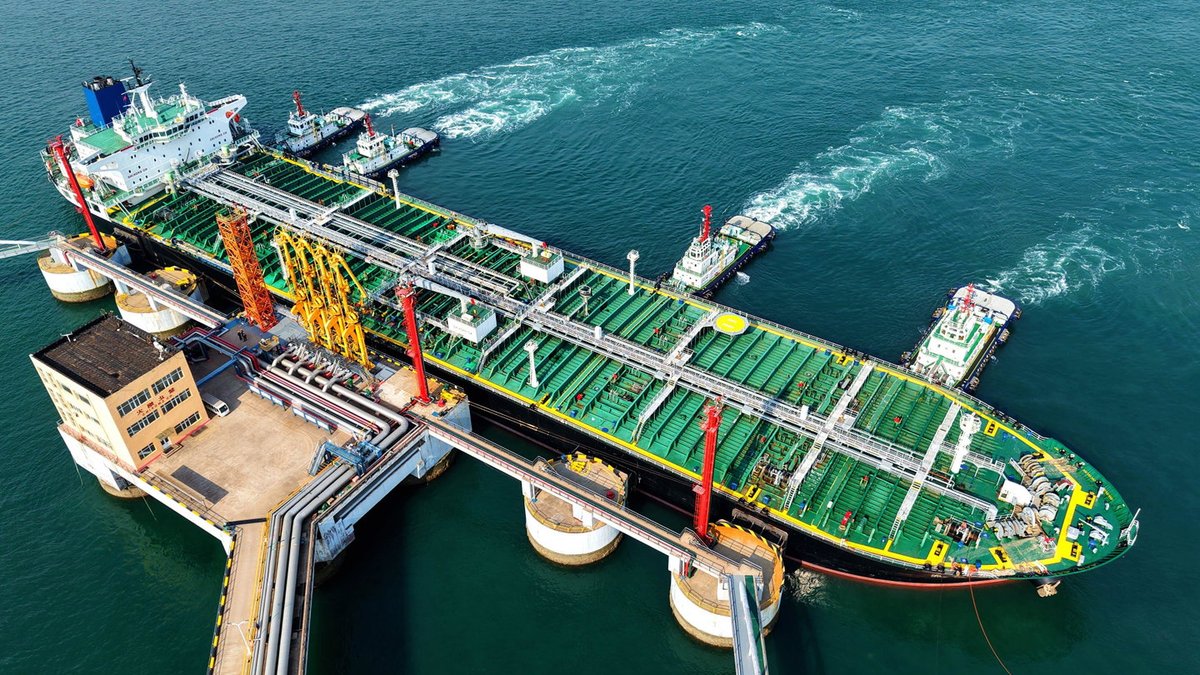
China’s monthly fuel exports increased by 6.7 percent, reaching 4.65 million tons, according to recent data from Chinese customs. The rise was mainly driven by a surge in diesel exports, which jumped 88 percent due to a tightening of global supply.
The significant increase in diesel exports was a result of ongoing conflicts in Ukraine and the Middle East, which have led to a shortage of diesel supplies worldwide.
China’s total fuel exports, including jet fuel, kerosene, diesel, and gasoline, reached 4.65 million tons, with diesel exports accounting for 810,000 tons of that total.
The country’s diesel exports were 50 percent higher than the average monthly level this year and comparable to the level seen in July 2025.
In contrast, other refined products have not recovered to pre-war levels, following the strikes by Israel and the US against Iran on February 28.
Gasoline exports, for example, fell 55.3 percent from the previous year but rose 320 percent from June, after the government lifted some export restrictions.
Kerosene exports also increased 42 percent month-over-month, although they remain 33 percent lower than last year’s level.
The volatility in the markets is a result of changes in China’s policy, which has been adjusting its fuel export restrictions in response to global events.
Related: US Leads Polar Dagger Operation Near Russia
After the closure of the Strait of Hormuz in early March, the Chinese government banned most fuel exports to address national shortages, allowing only limited deliveries to Southeast Asia.
China has since gradually eased these restrictions, with the latest measure allowing the export of 2.7 million tons of refined products until the end of August.
The authorities have also given refineries the option to extend these quotas until September if they fail to find buyers.
According to the report, this policy change is likely due to a surplus of national stocks, which has probably prevented global oil prices from rising more sharply during the conflict with Iran.
The government’s decision to adjust fuel export restrictions has been influenced by global events, including the ongoing conflicts in Ukraine and the Middle East.
These events have led to a shortage of diesel supplies worldwide, resulting in a surge in diesel exports from China.
The country’s fuel export policies have been changing in response to these global events, with the government gradually easing restrictions on fuel exports.
This has allowed China to increase its fuel exports, including diesel, gasoline, and kerosene, with diesel exports accounting for a significant portion of the total.





Leave a Reply