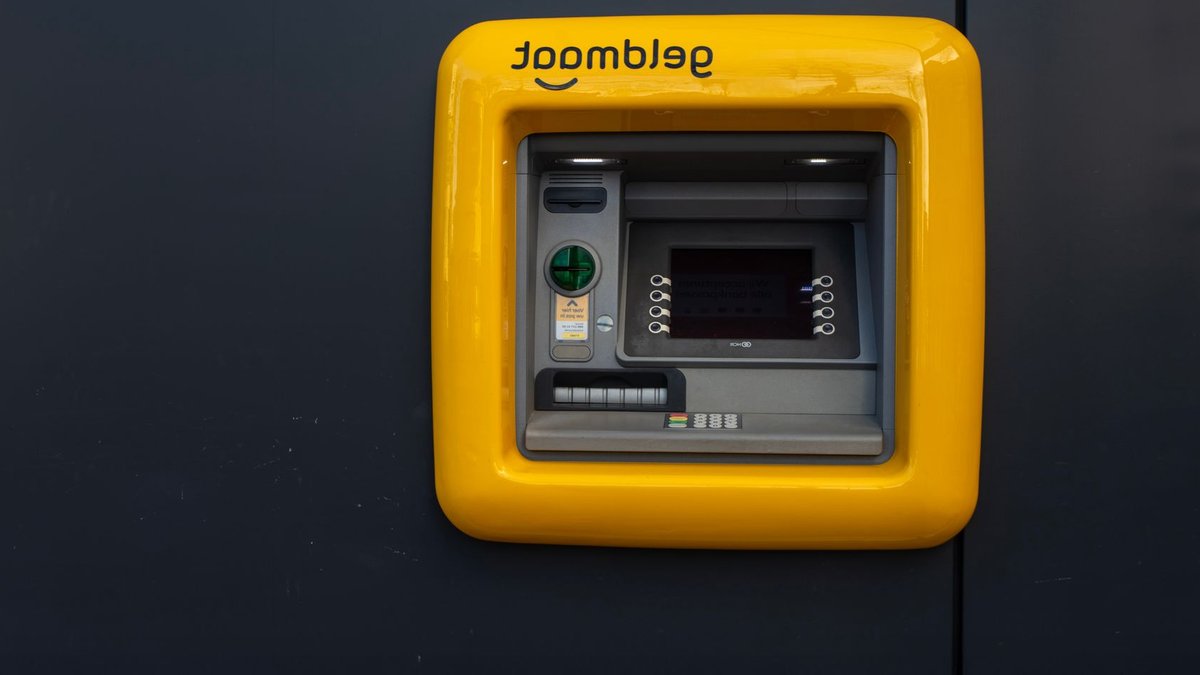
Africa stands at the forefront of mobile money adoption globally, yet the region continues to depend significantly on cash, which restricts credit access and increases transaction expenses. A report from Affinity Africa, a Ghanaian digital financial services firm, indicates that the continent’s cash reliance is costing billions of dollars annually in missed economic opportunities. The report, “Breaking the Cash Equilibrium: Unlocking Africa’s Digital Financial Future,” posits that the upcoming hurdle lies not in constructing digital infrastructure but in rendering digital payments more appealing than physical currency. Africa currently represents 74% of worldwide mobile money transaction volume, handling over $1.1 trillion through 1.1 billion accounts in 2024.
Cash Dependency
Even with the expansion of mobile money, over 90% of transactions remain as cash withdrawals instead of being used digitally for purchasing goods or services. For street vendors or informal traders, taking physical cash incurs no cost and is settled immediately, whereas digital payments involve a 1% to 3% fee and necessitate a degree of digital know-how. This is visible in Nigeria, where a vigorous initiative promoting debit cards and point-of-sale (POS) terminals has established a network of roughly 2 million POS agents in urban areas like Lagos. Nevertheless, these digital pathways frequently operate as more streamlined methods for dispensing physical money, thereby strengthening rather than supplanting cash-oriented transactions.
Trust Barriers
In Ethiopia, the swift implementation of the national digital ID system, Fayda, and the mobile money platform Telebirr has met with notable trust challenges. Certain users maintain cash holdings due to system failures during key moments, such as late-night medical emergencies, while others consciously refrain from establishing digital financial records out of fear that aggregated family funds or household remittances might be misconstrued by authorities as taxable personal income. According to the report, the limited utilization of digital money significantly affects the continent’s developmental objectives. Small and medium-sized enterprises, representing approximately 80% of employment and 90% of privately held companies throughout Sub-Saharan Africa, are granted merely 5.4% of banking credit.
Impact on Credit Access
The report suggests that since numerous businesses function solely in cash, they produce minimal or no transaction records, complicating lenders’ attempts to evaluate their credit standing. Consequently, financial institutions persist in favoring large corporations and government bonds over smaller entities. Presently, the sector confronts a $300bn yearly financing shortfall due to its sluggish credit accessibility. An additional consequence emerges in cross-border transactions, where expenses stay raised. One instance from the report illustrates that transferring $200 from Tanzania to adjacent Uganda incurred 39.1% in charges, whereas dispatching the same sum from the United States to Nigeria amounted to merely 2.3%. The report projects that African families forfeit around $8bn each year in remittance charges.
The authors advocate for collaborative efforts among governments, regulators, financial institutions, and technology enterprises to tackle the issue. Their proposals include rendering digital payments more affordable than cash withdrawals, enforcing interoperability among payment systems, and developing robust incentives for consumers and businesses to retain funds within the digital financial ecosystem. The report designates Ghana, Kenya, Nigeria, and South Africa as “catalytic markets” where the issue shifts from accessing digital finance to expanding its application across the entire economy.
It advises these nations to concentrate on merchant adoption, real-time payment compatibility, and regulatory adjustments that permit digital financial solutions to grow. With Africa’s population anticipated to represent one in four individuals worldwide by 2050, the expense of postponing the shift to digital payments will perpetually escalate. The authors assert that Africa has already established substantial digital infrastructure essential for financial evolution, and the current imperative is to guarantee that digital payments turn out to be more economical, practical, and appealing than cash for both consumers and businesses.





Leave a Reply