Traveling to lesser-known regions in Japan can be a unique experience, with Toyama and Ishikawa prefectures offering a blend of natural beauty, local culture, and traditional crafts. A recent visit to these regions provided an opportunity to explore their hidden gems, from the scenic views of Toyama to the traditional artisans of Ishikawa.
The journey began in Toyama, a prefecture located about 120 miles northeast of Kyoto. With its lush green settings and strong local culture, Toyama reminded me of the Pacific Northwest. The region is known for its delicious seafood, and a visit to a local restaurant offered a chance to try some of the freshest seafood from Toyama Bay.
A visit to a glass museum in Toyama revealed an unexpected exhibit by renowned Washington-based glass artist Dale Chihuly. The museum’s collection showcased the region’s rich cultural heritage, with a focus on local artisans and their crafts. They also had a field trip to a whiskey distillery in Tonami which provided an opportunity to learn about the science of whiskey production and even blend some Japanese whiskey.
Related: Deloitte Settles DOJ DEI Discrimination Probe for $21.5M
The culinary experience in Toyama was also memorable, with a visit to L’évo in Nanto, a restaurant awarded two Michelin stars in 2021. The restaurant’s focus on local ingredients and traditional cooking methods resulted in a truly unforgettable dining experience. It is a place that showcases the best of Toyama‘s local produce.
A high-speed train ride to Kanazawa, the capital of Ishikawa Prefecture, offered a chance to slow down and appreciate the local artisans who are dedicated to preserving their crafts. The city is home to many skilled artisans, including a master instructor from the samurai line who provided an opportunity to learn about the region’s rich history and cultural heritage.
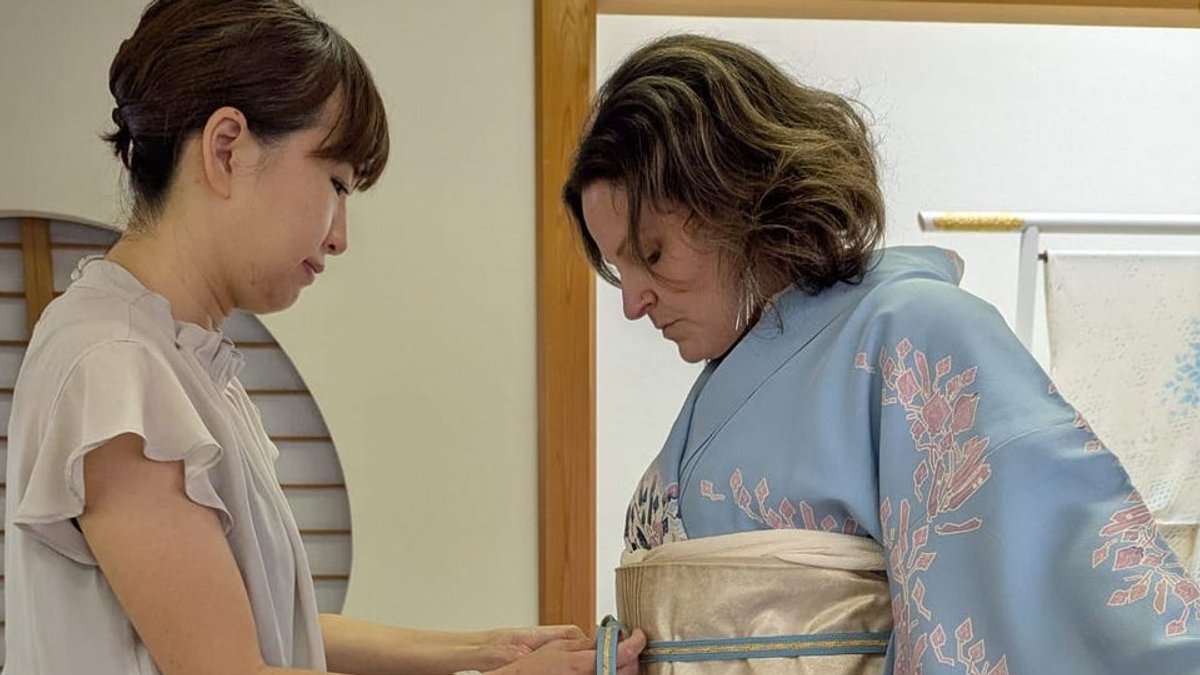
A visit to a three-generation kimono workshop allowed me to see the makers behind the scenes and even try on a vintage kimono. The experience was one of the highlights of the trip, and it provided a unique insight into the region’s traditional crafts. The kimono was a stunning piece of art, with detailed designs and patterns.
In Kaga, I had the opportunity to stay in a traditional ryokan, where I slept on tatami mats instead of a mattress. The experience was not as uncomfortable as I expected, and it provided a chance to appreciate the local culture and traditions. The ryokan was a peaceful and serene place, surrounded by nature.
Related: US Prioritizes Lower Oil Prices in Iran Conflict
A visit to the homes of several local artisans in Kaga and Nomi City provided an opportunity to learn about their crafts and appreciate their dedication to preserving traditional techniques. I met an artist and washi paper maker and her husband, who taught ikebana, the Japanese art of flower arranging. They were passionate about their crafts and shared their knowledge with me.
A visit to a porcelain master in Nomi City allowed me to learn about the art of fine-line red painting, a traditional technique that requires great patience and skill. The experience was fascinating, and it provided a unique insight into the region’s cultural heritage. The porcelain master was a skilled artisan who had spent years perfecting his craft.
At the end of the trip, I returned to Kanazawa to begin the journey back home, with memories of the unique experiences and encounters with local artisans that made the trip so special. Although I couldn’t afford to treat myself to the kimono, I splurged on a plush hotel robe and a rooftop cocktail instead, a compromise that still felt like a version of indulgence.





Leave a Reply