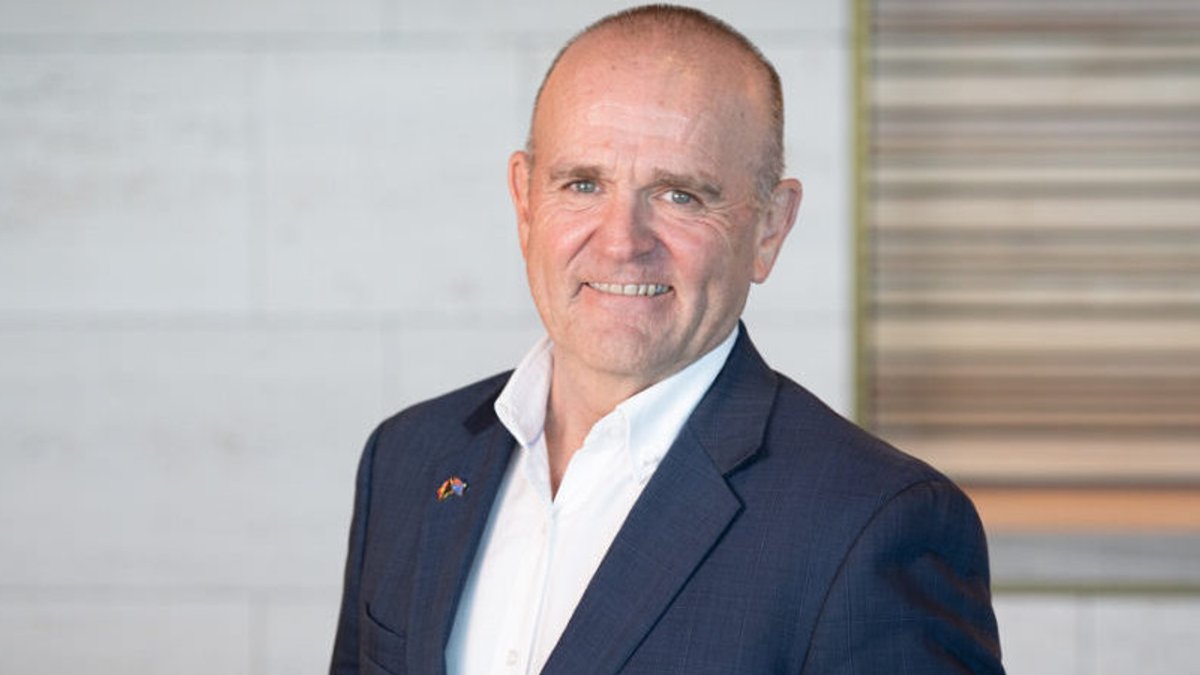
Westpac PNG Chief Executive Andrew Cairns has outlined the bank’s growth vision for Papua New Guinea, emphasizing a focus on long-term value creation for shareholders, depositors, borrowers, staff, and communities. In an exclusive interview, Cairns discussed the bank’s progress over the past year and its commitment to the country’s future. The last 12 months have been particularly exciting, marked by significant developments and strategic advancements.
Cairns highlighted the visit of Westpac Group CEO Anthony Miller in February 2026 as a key moment, reinforcing the bank’s dedication to PNG. He also reiterated his belief, first expressed 12 months ago, that the next decade will be one of the most critical for the nation. Westpac is strategically aligning itself to address both growth opportunities and challenges during this period.
Investing in growth and relationships
The bank has invested substantially in its platforms, products, people, properties, policies, and procedures. This has resulted in balance sheet growth and a renewed commitment to serving PNG for generations. Cairns emphasized the importance of strategic focus, stating, “We can’t do everything, so we’re careful about where we can add value and build deep relationships.” This approach ensures that Westpac’s efforts are targeted and impactful, supporting sustainable growth.
Domestic market opportunities
While acknowledging the significance of large-scale resource projects worth US$60 billion over the next 10 to 15 years, Cairns stressed the importance of nation-building programs and secondary-market opportunities. He identified sectors such as telecommunications, agriculture, construction, transport, and distribution as key areas for growth. These sectors, Cairns noted, are essential for building a robust and diversified economy that can sustain long-term development.
The digital economy, in particular, is expected to play a key role in enhancing the country’s economic efficiency. However, its development requires collaboration among government, telecommunications providers, and banking institutions. Cairns noted the need to build trust and reduce reliance on cash, which is currently prevalent in PNG’s economy. This shift is key for modernizing financial systems and improving economic transparency.
Handling greylisting and AML compliance
PNG’s greylisting by the Financial Action Task Force in February 2026 has prompted increased focus on transparency, accountability, and robust systems for transaction processing. Cairns explained that this development is not a setback but rather a call for higher standards in business practices. It shows the need for greater diligence and formalization in economic activities.
For Westpac, this means enhanced due diligence in verifying transaction information, which may slow processes but ultimately builds trust and certainty. The bank is working collectively to address the action items required to meet these new standards, with a focus on formalizing previously informal economic activities. This effort is aligned with the broader goal of creating a more transparent and efficient financial system.
The shift towards a more digital economy is supported by PNG’s leadership, including Prime Minister James Marape and Bank of PNG Governor Elizabeth Genia. Their emphasis on reducing cash reliance aligns with Westpac’s vision for a more efficient and transparent financial system. This alignment ensures that the bank’s initiatives are in sync with national priorities.
Papua LNG and economic growth
The Papua LNG project is expected to significantly impact PNG’s economy, with Westpac’s modeling predicting an additional three basis points of growth. The economy has been growing at three to four per cent per year. We’ve done some modelling, and we believe that the Papua LNG project, just by itself, will add an extra three basis points to that growth. If you couple that with other [potential] projects, it’s not unforeseeable that PNG could grow somewhere between seven and 10 per cent per annum for a number of years.
Cairns urged stakeholders to consider the broader opportunities beyond headline projects, such as accommodation, health services, food, transport, security, and telecommunications. He emphasized the importance of secondary markets and the need to invest in civil and social infrastructure for long-term prosperity. By focusing on these areas, PNG can ensure that economic growth translates into tangible benefits for its citizens.




Leave a Reply