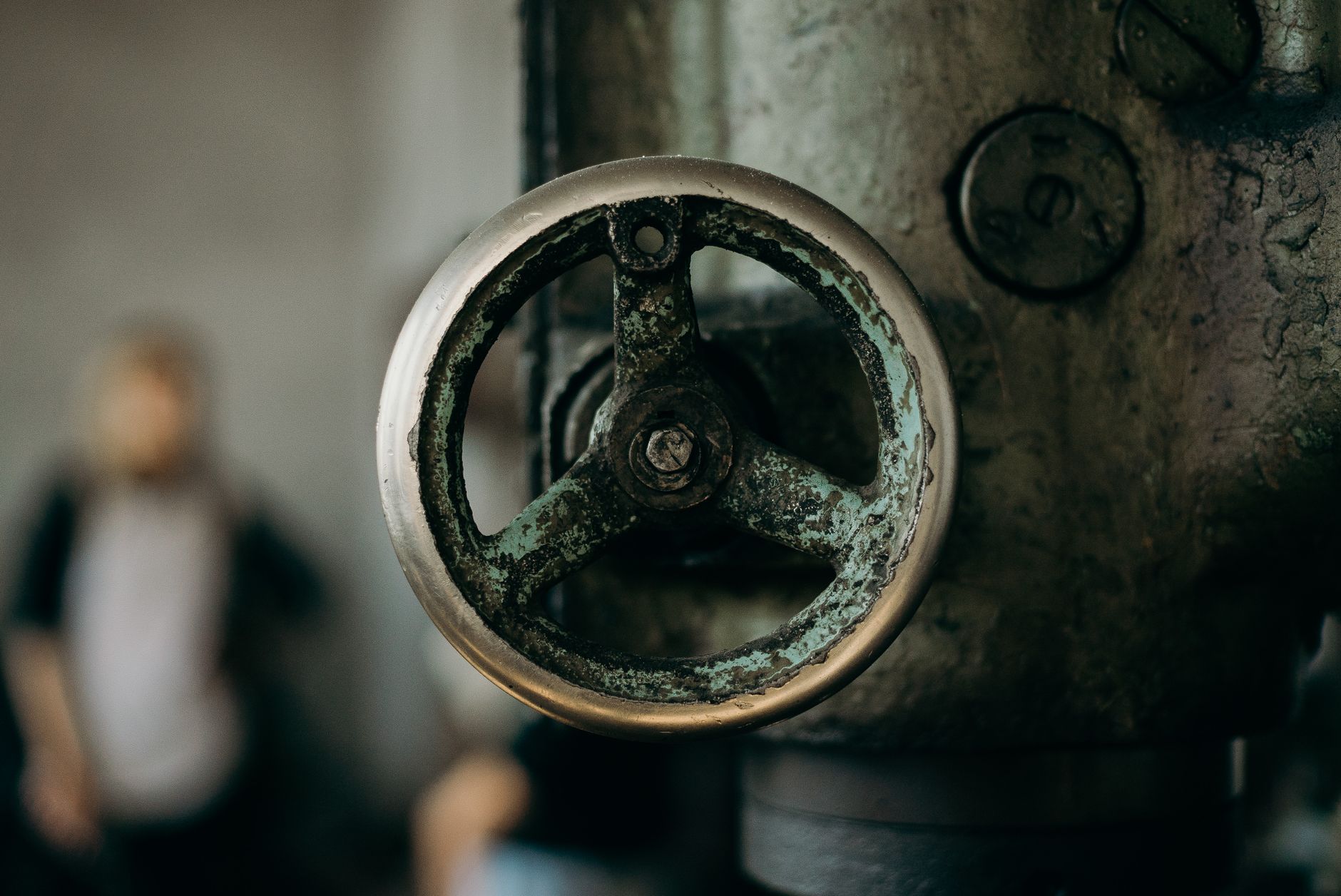
When you are tasked with removing a frozen bolt from an older piece of machinery, or trying to loosen a rusted fastener on a garden tool, the sensation of resistance is unmistakable. You apply torque, the wrench binds, and you realize that sheer force alone will likely result in a sheared bolt rather than a freed connection. This is the moment most people encounter the necessity of a specialized solvent designed to break the grip of corrosion. Choosing the best penetrating oil for rust is rarely about finding a single miracle product; it is about understanding how these liquids interact with metal and how they can be used effectively to solve a common mechanical problem.
The Mechanical Challenge of Seized Fasteners
Rust does not simply sit on the surface of metal; it is a chemical transformation. When iron-based metals are exposed to moisture and oxygen, the resulting oxidation takes up more physical space than the original metal. This expansion creates an incredibly tight, rough bond within the threads of a fastener, essentially locking two pieces of metal together with a layer of abrasive, hardened material.
The primary job of any rust penetrating oil is to navigate that microscopic space. These liquids are engineered with low surface tension, which allows them to creep into the gaps between threads. While many people assume that a standard lubricant will suffice, there is a fundamental difference between a product designed to keep parts moving smoothly and one designed to break through mineralized oxidation. Effective solvents for this purpose typically contain additives that help displace moisture, soften the crust of rust, and provide enough lubrication to allow the fastener to back out without grinding against the threads.
How the Process Generally Works
The efficacy of these products often depends as much on the application technique as the chemical composition itself. Simply spraying a fastener and immediately attempting to loosen it often leads to frustration. Because the corrosion is tightly packed, the fluid requires time to travel the length of the threads.
In most scenarios, the process follows a predictable sequence. First, cleaning the area with a wire brush removes loose, external debris, which prevents the solvent from being absorbed by surface dirt rather than the interface between the parts. Once the area is clean, applying the rust penetrating oil and allowing it to sit is essential. For particularly stubborn connections, professionals often apply the product multiple times, perhaps with a gentle tap of a hammer on the fastener head, which can create micro-vibrations that help the fluid travel deeper into the threads.
Patience is a technical requirement. Many of the most effective solutions take time to chemically interact with the oxidation. Rushing this stage often means the solvent has not yet reached the deeper, more seized portions of the fastener, leaving the mechanic to rely on force that the rusted metal is no longer capable of sustaining.
Key Factors That Shape the Outcome
Several variables influence how successful you will be when trying to free a seized part. The most significant is the extent of the corrosion. If the metal has degraded to the point where the threads have structurally fused, even the most effective solvent may have limited results.
Another factor is the metallurgy of the parts involved. Dissimilar metals, such as a steel bolt in an aluminum housing, can react to create a different, often more persistent type of oxidation. In these cases, simply using a rust penetrating oil might not be enough, and the addition of heat—used with extreme caution and awareness of the potential for damaging surrounding seals or finishes—can help expand the metal and break the bond.
Temperature also plays a role in the fluid’s viscosity. In colder environments, many oils thicken, which slows their ability to penetrate deep into tight gaps. Storing products in a temperate area before use can ensure they maintain the thin consistency required to work effectively. Additionally, knowing when to stop is a critical judgment. If a fastener shows no signs of movement after repeated applications and careful pressure, forcing it further increases the risk of the bolt breaking off entirely, which creates a much more difficult repair.
Practical Approaches for Reliable Results
When you are looking for the best penetrating oil for rust, focus on products that emphasize low viscosity and high creep capability. Many experienced mechanics evaluate these products based on how well they remain liquid and how far they can travel into a vertical thread path.
To approach this task well, consider these general guidelines:
- Preparation: Always remove as much loose rust and paint as possible before application. The less material the solvent has to soak through, the more that reaches the actual interface.
- Application: Apply the product generously. If the fastener is horizontal or vertical, you may need to apply it periodically to ensure it stays in contact with the threads.
- Vibration: Gently tapping the end of the bolt or the surrounding area after applying the oil can often help break up the initial crust and provide pathways for the liquid to move deeper.
- Incremental Force: When you reach the stage of attempting to loosen the fastener, use a “tighten-then-loosen” approach. Tightening the bolt by a fraction of a degree can sometimes break the initial bond, allowing the lubricant to seep into the freshly opened gap.
- Environmental Awareness: Because these products are designed to be thin and mobile, they can easily migrate to areas where you do not want them, such as brake pads or electrical components. Always shield nearby sensitive parts with a rag or masking material.
If you find that a connection remains persistently seized, it is often better to reassess your strategy than to apply excessive force. Sometimes, the most efficient path is to repeat the application of the rust penetrating oil and allow it to penetrate overnight. The time provided for the chemical softening to occur is frequently the difference between a successful removal and a broken stud. By treating the removal of rusted parts as a process of chemical patience rather than a contest of strength, you can improve your success rate and preserve the integrity of your equipment.




Leave a Reply