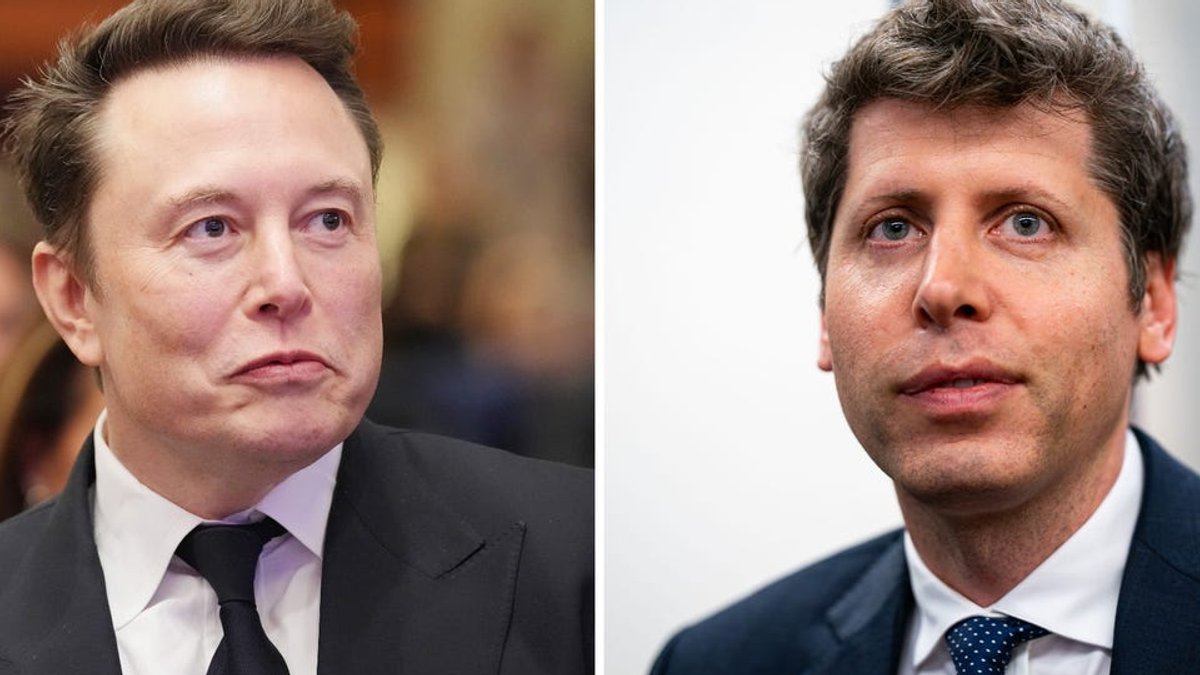
OpenAI is ending its deal with Cursor, highlighting growing tension between the AI provider and Elon Musk’s businesses, as the contract will be terminated on November 12, according to a statement released Friday night.
The AI firm stated that it could no longer guarantee that the aerospace company’s ownership would respect its terms of service. The statement read that this decision was incredibly tough, as they care deeply about their models being broadly available for developers.
It added that confidence in compliance could not be assured based on prior interactions with Musk‑owned ventures. They stopped short of accusing the coding startup of any breach, instead pointing to historical contract violations elsewhere.
Prior conflicts have shaped the current split. In a prior case, the social media platform Musk bought in 2022 was reported to have cut off the AI provider’s access to its data, a move the company described as a breach of its agreement.
This episode was cited in the blog post announcing the termination. Further, the aerospace chief testified under oath that his own AI research unit, xAI, had trained the chatbot Grok using output from the provider’s models.
Musk later described the claim as “partly” true, according to a report from a technology news site. The partnership included a “limited time window” to cancel after the acquisition, a clause the AI firm invoked to end the relationship.
The aerospace firm officially acquired the coding startup this month for $60 billion. The deal gave the startup access to the rocket company’s computing resources, while the editor already integrated models from several AI vendors, including the provider’s GPT‑5.6 Luna, Sol and Terra versions.
Paid users of the editor could reach these models through the software, but it remains unclear which customers will lose access once the shutdown takes effect. They will not supply any “future models,” such as the upcoming Astra system, to the coding platform after the cut‑off date.
For developers who rely on the editor’s multi‑model setup, the loss may force a quick search for alternatives, potentially disrupting ongoing projects.
The abrupt nature of the decision feels oddly like a chess move with missing pieces, leaving teams to rethink tooling strategies. In practice, the termination means that any integration relying on the provider’s APIs will stop functioning.
Developers will need to re‑configure their environments or adopt other vendors’ services. The split arrives amid a broader dispute that began when Musk, a co‑founder of the AI firm, sued it over its shift from a nonprofit to a partially for‑profit structure.
A federal jury later ruled the lawsuit was filed too late, prompting Musk to announce plans to appeal. Neither the aerospace company nor the AI provider responded to requests for comment at the time of publication.
They are not commenting.





Leave a Reply