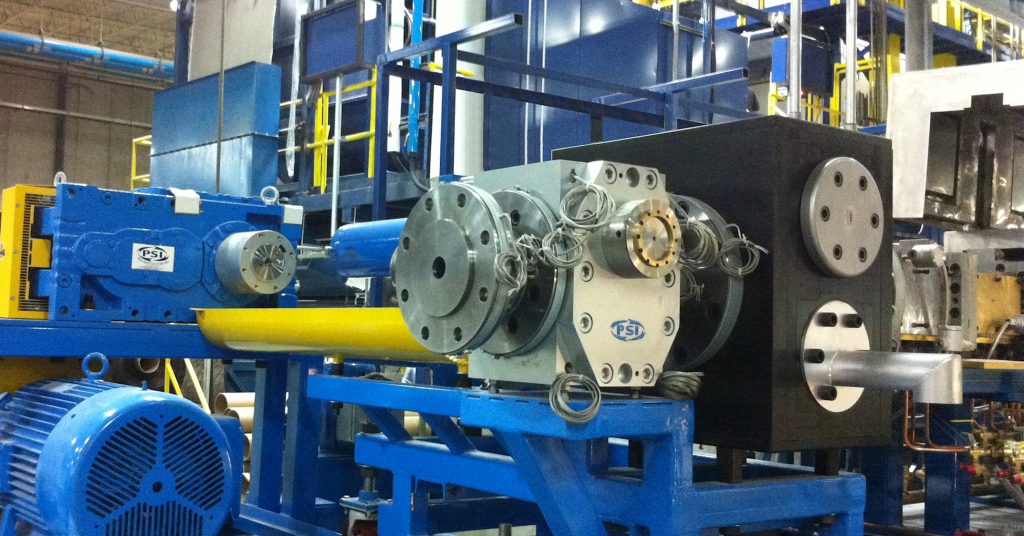
Operating a sophisticated mechanical system often involves managing the movement of fluids across varying levels of intensity. Within this landscape, the high-pressure gear pump serves as a workhorse, quietly facilitating the transfer of liquids in a wide range of settings. As these systems evolve, understanding their progression and the considerations involved in their long-term operation becomes essential for those managing large-scale equipment.
Initial integration and getting the system established
The implementation of a new industrial gear pump typically begins with a focus on compatibility and environmental factors. When a system is first introduced, the priority is to ensure that the pump is properly matched to the viscosity of the fluid it is intended to move, as well as the temperature conditions of the workspace. During the early stages, subtle adjustments are often needed to calibrate the pump’s output and ensure that the seals and internal components are seated correctly within the broader machine assembly.
Thoughtful installation often involves an emphasis on cleanliness and alignment. Because these pumps rely on tight tolerances to maintain their pressure capabilities, even minor debris or slight misalignments can influence the initial performance. Operators typically spend time verifying that the mounting brackets are secure and that the intake and discharge lines are free of any obstructions. This formative period is less about achieving peak throughput and more about verifying that the pump is integrated into the system in a way that respects the manufacturer’s operational guidance.
Evolving demands and changing performance requirements
As an industrial gear pump settles into its role, the nature of its work often shifts. Systems that might have started with consistent, predictable cycles can face changing loads as production needs fluctuate. It is common for operators to observe how the pump responds to varying demands, such as shifts in fluid flow rates or occasional spikes in pressure. This is a critical stage where the baseline performance is established, providing a reference point for monitoring the equipment over time.
During these intermediate stages, the interaction between the high-pressure gear pump and the wider machinery often reveals opportunities for optimization. For instance, as the system settles, staff may find that fine-tuning the pressure relief settings or checking the integrity of internal gaskets helps maintain stability. This period represents a transition from initial installation to standard operation, where the focus shifts toward maintaining a steady, reliable flow. Observing how the equipment handles regular, sustained duty cycles helps technicians identify what “normal” looks like for that particular setup.
Monitoring for efficiency and signs of adjustment
The long-term reliability of a high-pressure gear pump is often defined by the responsiveness of the operators to subtle signals from the machine. While these pumps are designed for durability, they are not immune to the effects of wear and tear. Over time, internal clearances can widen slightly, which may manifest as a gradual change in volumetric efficiency. Being able to recognize these signs early allows for proactive maintenance rather than reactive repair.
Common indicators that a system may benefit from an inspection include subtle changes in the operating sound, an increase in operating temperature, or a noticeable decline in the pump’s ability to maintain its target pressure under load. These are not necessarily signs of imminent failure, but they are indicators that internal components—such as the gears, bushings, or wear plates—may be reaching a point where they require attention. A proactive approach involves posing regular questions to the maintenance team: Are the seals showing any signs of seepage? Is the fluid quality still within the intended range? Has the operating pressure remained consistent with the initial baseline? Addressing these considerations systematically can prevent minor deviations from becoming significant operational hurdles.
Sustaining results and long-term mechanical health
Maintaining the efficiency of an industrial gear pump over a prolonged period requires a shift toward a culture of consistency. Long-term performance is rarely the result of a single, massive intervention, but rather the cumulative effect of regular, minor maintenance tasks. This includes keeping a close watch on the cleanliness of the fluid, as contaminants can accelerate the wear on the precise surfaces that allow the pump to generate pressure. Ensuring that the fluid remains free of debris is one of the most effective strategies for protecting the internal architecture of the pump.
Beyond cleanliness, the longevity of these systems often hinges on the quality of the maintenance logs and the diligence of the staff tasked with overseeing them. By maintaining records of pressure tests and lubrication schedules, managers can spot trends that might otherwise go unnoticed. This methodical approach allows for the planning of maintenance during scheduled downtime, which is typically more efficient and cost-effective than dealing with an unexpected stoppage.
Ultimately, the goal is to create an environment where the equipment is supported by the right conditions. This means ensuring that the drive motor is properly aligned, that vibration levels are kept within reasonable limits, and that the pump is not being asked to operate consistently outside of its intended design parameters. When these factors are balanced, a high-pressure gear pump can provide reliable service for an extended period. By focusing on the fundamentals of cleanliness, systematic monitoring, and proactive adjustments, those who manage these systems can ensure they continue to perform their essential role as a core component of the industrial process. The long-term picture is one of stability, where the equipment serves the system reliably, day after day, without unnecessary interruption.




Leave a Reply