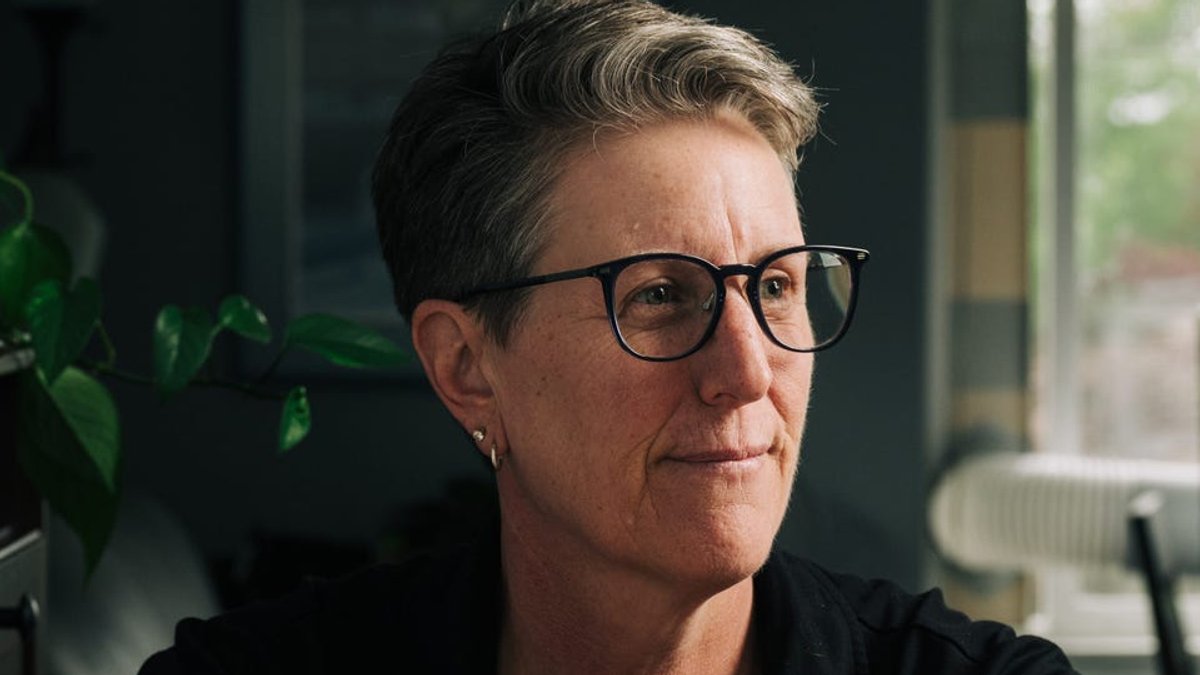
At 56, Jennifer Mannix has been applying for entry-level jobs in women’s professional sports without landing a single interview, a struggle she says may be tied to her age.
Retirement and a new ambition
After three decades with the city of Juneau, Alaska, Mannix qualified for a full retirement package in 2022 that includes lifelong health coverage and a pension. She and her wife relocated to Tacoma, Washington, hoping a break from risk‑management stress would be restorative. The move also placed her within a two‑hour drive of Seattle, where the women’s‑sports scene has been expanding rapidly.
Instead, the former city employee found herself drawn to a different arena: the growing world of women’s sport. She explained that she was in a unique position where she could afford not to work for a while, even though she was only in her early 50s, and that her love and passion for live sports drove her to pursue this field.
Her story is being featured in Business Insider’s “Still in the Game” series, which follows workers in their 50s as they confront age bias, skill updates, and the search for new purpose.
Roadblocks in the hiring process
Over the past year, Mannix has submitted dozens of applications ranging from executive assistant to game‑day helper. Each cover letter stresses enthusiasm, a modest salary expectation, and a willingness to learn. Yet none have generated a response.
Read Also: PSLF borrowers face new student-loan forgiveness delay
She suspects recruiters wonder how a veteran risk‑manager fits an entry‑level role. She said, “I can only imagine that a hiring manager might look at my age and experience and think, ‘What the heck do they want to do with this entry-level job?’ They might wonder whether my skills translate or w”.
Her confidence has slipped, especially after a Seattle sports‑industry job fair where she felt 15 to 20 years older than most of the crowd. Still, she laughs it off and says she’s learning to accept it.
She also notes that she could command a well‑paid position in insurance or risk management, yet she prefers to start fresh in a field that fuels her enthusiasm.
Creating her own opportunity
When hiring stalls, Mannix launched a modest venture that organizes bus trips from her home region—about an hour from Seattle—to women’s games. The service aims to build a community of fans while she hones promotional skills. She is constructing a website, opening social‑media channels, and experimenting with low‑budget marketing. She relies on friends with larger networks to spread the word.
Developing the website has forced her to learn basic SEO and content scheduling, skills she hadn’t needed in her previous municipal role.
She still believes in her goal.
Read Also: Mamdani Weighs In on AI in Schools Amid Parent Divides
Networking beyond comfort zones
Recognizing the importance of personal connections, Mannix joined the Seattle chapter of the national group Women in Sports and Events. She has attended several panels featuring women of similar or greater age who have carved out successful careers.
These gatherings have nudged her out of her introverted habits. “You never know when you’re going to meet someone who might be able to help you,” she remarks, noting that each conversation feels like a small step toward a future role.
Transferable expertise
From a practical standpoint, Mannix’s decades in risk management have equipped her with abilities such as project coordination, budget oversight, and stakeholder communication. Those competencies could serve any employer, yet she worries they are invisible on a résumé aimed at a different sector.
Perspective on age and experience
In reality, age can be both a hurdle and an asset. Employers often prioritize recent, field‑specific experience, overlooking the steady reliability and mentorship potential that a seasoned professional brings. For candidates like Mannix, framing past achievements in language that mirrors industry jargon may bridge that perception gap.
Looking forward
She continues to apply, refine her outreach, and expand her small business. While the path is uncertain, Mannix remains convinced that persistence and a willingness to learn will eventually align her passion for women’s sports with a sustainable career.





Leave a Reply