
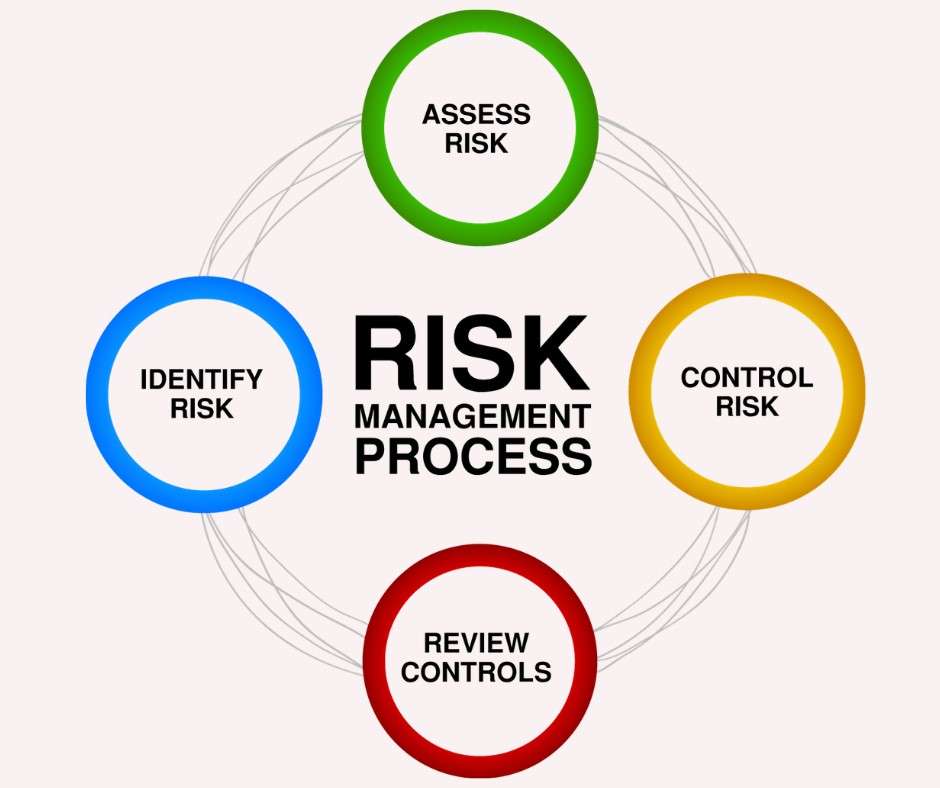
The global business landscape stands at a critical inflection point. As macroeconomic pressures fluctuate and technological evolution accelerates—driven largely by artificial intelligence (AI) and deeper digital integration—leaders are forced to fundamentally rethink traditional operating models. Success in this new epoch is no longer defined merely by quarterly profits, but by the agility, resilience, and ethical foresight embedded within core corporate strategy. This shift mandates a holistic approach to optimization, placing technological investment and strategic risk management at the heart of the modern enterprise.
Key Takeaways for Future Business Strategy
- Digital Maturity is Non-Negotiable: Companies must move beyond superficial digitization toward deep, platform-based transformations that integrate AI into decision-making processes across the entire value chain.
- Resilience Trumps Efficiency: Global events have emphasized that highly efficient, fragile supply chains must be replaced by diversified, strategically robust networks capable of absorbing and mitigating sudden disruptions.
- Human Capital Reinvention: The adoption of automation requires businesses to focus intensely on upskilling their workforce, shifting roles toward strategic oversight, data interpretation, and high-value creative problem-solving.
- ESG and Ethics Drive Value: Environmental, Social, and Governance (ESG) criteria are moving from compliance checkboxes to genuine competitive differentiators, influencing investor decisions and consumer loyalty in every modern business.
The Imperative of Digital Transformation in Modern Business
For decades, digital transformation was viewed as an additive process—a modernization project tacked onto existing infrastructure. Today, it is the foundational infrastructure itself. Businesses that delay deep technological integration risk being rendered obsolete by digitally native competitors who can leverage data at speed and scale. True transformation affects every facet of the enterprise, from customer relationship management (CRM) to internal logistics and finance.
The complexity of the modern consumer journey requires sophisticated, unified data systems. Customers demand personalization, instantaneous service, and transparency. Meeting these expectations requires a single source of truth about customer interactions, powered by cloud infrastructure and advanced analytics. Organizations succeeding in this space are not just buying software; they are restructuring their entire workflow around real-time data ingestion and immediate responsiveness. This commitment to data-driven decision-making fundamentally alters the competitive edge of any serious business.
- Cloud Adoption: Migrating core systems to secure, scalable cloud environments is necessary for managing the explosion of operational data.
- Data Governance: Establishing robust policies around data quality, privacy, and ethical use builds trust and reduces regulatory risk.
- Platform Integration: Moving away from siloed applications toward unified business platforms enhances cross-departmental collaboration and accelerates time-to-market.
AI and Automation: Redefining Operational Efficiency and Business Models
Artificial Intelligence, particularly generative AI, is perhaps the most transformative force impacting the core operational models of modern business. What started as tools for automating routine tasks (Robotic Process Automation or RPA) has quickly evolved into systems capable of sophisticated analysis, content generation, and predictive forecasting.
In manufacturing, AI optimizes production lines, predicts equipment failure before it occurs, and manages complex inventory dynamically. In the service sector, AI personalizes marketing campaigns and handles first-tier customer support, freeing human agents to focus on complex, high-value inquiries. The economic upside of strategic AI adoption is immense, offering reductions in operational costs and significant boosts in productivity. However, adopting AI requires careful planning, specifically focusing on the intersection of human and machine intelligence.
Leaders must recognize that AI adoption is not about replacing workers, but rather re-skilling them. The highest returns come when human expertise is augmented by AI’s analytical power. Businesses must invest heavily in training programs that teach employees how to interact with, manage, and audit AI systems, transforming them into “AI-enabled” professionals. This shift creates a new, highly productive corporate structure tailored for future growth and sustainable business practices.
Supply Chain Resilience: The New Measure of Enterprise Stability
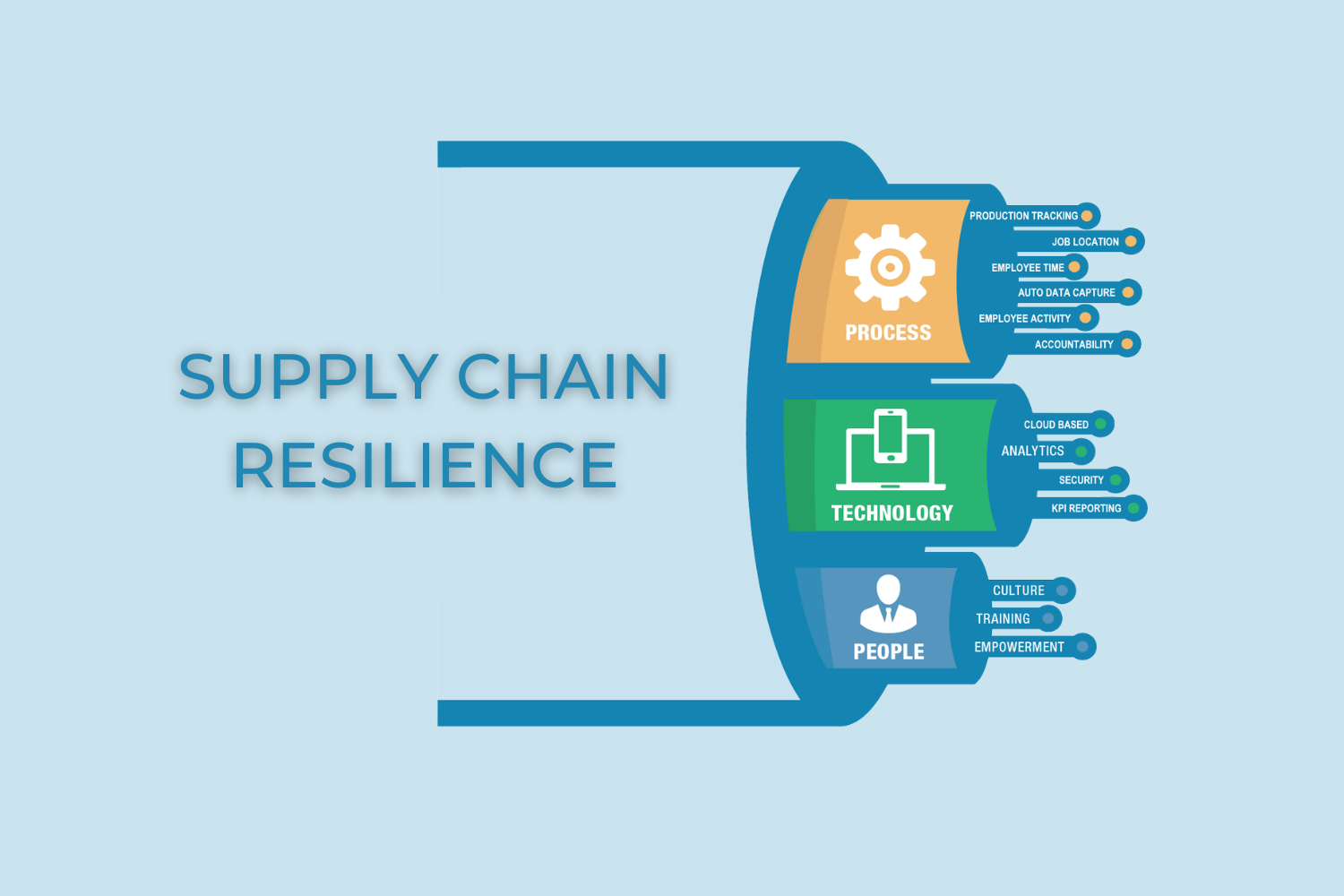
According to The Strategy Institute The fragility of globally optimized supply chains was starkly exposed by recent geopolitical conflicts and health crises. The decades-long pursuit of “just-in-time” efficiency, which prioritized cost reduction above all else, often resulted in systems with zero redundancy or tolerance for unexpected shocks. Today, the corporate agenda has pivoted: resilience is now paramount, even if it carries a higher short-term cost.
Modern business leaders are implementing strategies that focus on diversification, regionalization, and enhanced visibility. This involves moving away from single-source suppliers and establishing redundant manufacturing capacity across different geographical zones (often termed “China-plus-one” or “friend-shoring”).
Technology plays a crucial role in building resilient supply chains. Advanced IoT sensors, blockchain ledgers, and real-time analytics provide end-to-end visibility, allowing managers to anticipate bottlenecks and reroute logistics instantaneously. The ability to monitor global risks—from climate events to labor disputes—and model their potential impact gives resilient businesses a distinct advantage during periods of market volatility. This shift transforms supply chain management from a purely logistical function into a core strategic function that directly impacts enterprise risk management and long-term viability of the business.
Strategic pillars of supply chain resilience:
- Geographic Diversification: Spreading production and sourcing across multiple regions to mitigate single-point failure risks.
- Inventory Buffers: Strategically holding slightly higher levels of critical, long-lead-time inventory items.
- Digital Twins: Using sophisticated simulations to model the impact of disruptive events before they occur.
- Cybersecurity Focus: Strengthening the digital infrastructure of all supply chain partners to prevent attacks that could halt operations.
Strategic Investment and Future Business Growth

In a period marked by high capital costs and economic uncertainty, strategic investment decisions are more scrutinized than ever. CEOs are tasked with balancing immediate pressure for profitability with the long-term capital allocation necessary for sustainable business growth. The focus is increasingly on investments that offer strong compounding returns and contribute to brand equity, specifically in areas like R&D, sustainability, and talent development.
Investment in Environmental, Social, and Governance (ESG) principles is no longer charitable spending; it is an economic necessity. Consumers, employees, and institutional investors are increasingly screening businesses based on their demonstrated commitment to sustainability and ethical governance. Companies that integrate ESG into their core business strategy typically see lower risk profiles, greater access to capital, and superior long-term market performance.
Furthermore, capital allocation must prioritize innovation that truly disrupts the market. Rather than incremental upgrades, successful businesses are betting on R&D projects that utilize frontier technologies—quantum computing, advanced materials, or specialized AI platforms—that promise to create entirely new markets or radically redefine existing ones. This requires a strong corporate culture that embraces calculated risk and views failure as a vital component of the innovation cycle.
Conclusion: The Agile Business as the Model for the Future
The demands placed upon modern business leaders are unprecedented: they must manage geopolitical risk, integrate rapidly evolving technology, redesign supply chains for resilience, and meet stringent sustainability standards—all while delivering shareholder value. The unifying theme among successful enterprises is agility—the ability to pivot rapidly based on market feedback and technological opportunity.
The future successful business will be less about rigid structures and more about flexible, modular operations powered by data and augmented by AI. By prioritizing deep digital transformation, investing strategically in human capital, and building robust, resilient supply chains, corporations can not only survive the current volatility but establish a powerful foundation for sustained, ethical growth in the next era of global commerce.