


The global finance landscape is undergoing a dramatic transformation, driven by technological innovation and shifting monetary policies. As we move further into 2024, two dominant themes define the market narrative: the pervasive integration of Artificial Intelligence (AI) into wealth management and trading, and the persistent push for regulatory clarity surrounding digital currencies. This comprehensive report explores the implications of these trends, alongside critical updates on interest rate forecasts and the macroeconomic outlook.
The Artificial Intelligence Tsunami: Reshaping Investment Strategies
According to weforum, Artificial Intelligence is no longer a futuristic concept in finance; it is the engine powering modern investment. From quantitative trading models to personalized financial advice, AI is dramatically increasing efficiency, accuracy, and accessibility across the financial sector. This shift is creating both massive opportunities for early adopters and significant challenges for traditional firms attempting to keep pace.
How AI is Driving Alpha Generation
AI’s capability to process colossal datasets—including unconventional sources like satellite imagery, social media sentiment, and supply chain data—allows it to identify subtle market inefficiencies that human analysts often miss. Machine learning algorithms are constantly refining predictive models, leading to more sophisticated risk management and higher potential returns (alpha).
Quantitative Trading and Algorithmic Execution
In high-frequency trading (HFT), AI systems execute millions of transactions per second, capitalizing on microscopic price differentials. Beyond HFT, institutions are utilizing deep learning to create adaptive trading strategies that automatically adjust based on real-time market volatility and macroeconomic indicators. This requires robust infrastructure and specialized data science talent, pushing smaller firms to form strategic partnerships or consolidate.

Personalized Wealth Management through Robo-Advisors
Robo-advisors, powered by AI, have democratized Finance planning. These platforms offer low-cost, automated portfolio management tailored to individual risk tolerance and Finance goals. The next generation of robo-advisors is integrating generative AI to provide more nuanced, natural-language advice, blurring the lines between automated and human consultation. This innovation is significantly lowering the barrier to entry for novice investors globally.
Regulatory Challenges Posed by Algorithmic Finance
The reliance on complex AI models introduces regulatory scrutiny regarding transparency and systemic risk. Regulators worldwide, including the SEC and ESMA, are grappling with the concept of “model explainability” (XAI). If an AI algorithm causes a flash crash or executes discriminatory trades, determining accountability becomes exceptionally complex. The need for standardized testing and auditing frameworks for financial AI is paramount to ensuring market stability and fairness.
Digital Currencies: Regulation and Institutional Adoption
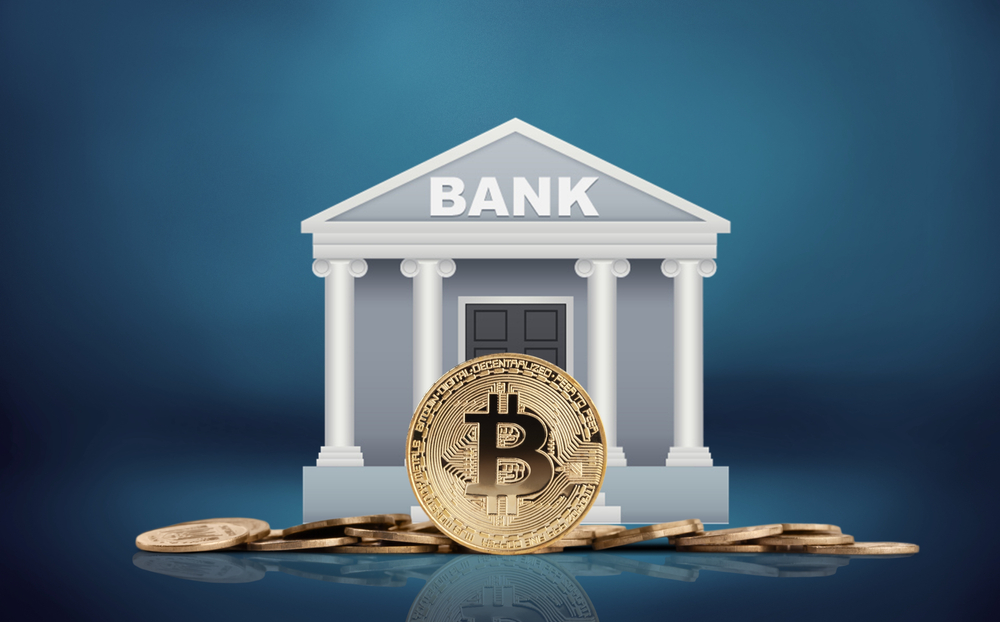
Following a period of intense volatility, the digital asset market is entering a phase defined by maturation and institutional integration. The approval of spot Bitcoin ETFs in major jurisdictions marked a significant turning point, bridging the gap between traditional Finance (TradFi) and the decentralized economy.
The Evolving Regulatory Landscape for Crypto
Global regulatory bodies are moving away from reactive measures toward establishing comprehensive frameworks. Key areas of focus include consumer protection, anti-money laundering (AML), and defining the classification of various digital assets (security vs. commodity).
MiCA and Global Harmonization Efforts
The European Union’s Markets in Crypto-Assets (MiCA) regulation serves as a global benchmark, aiming to provide a harmonized framework for issuing and providing services related to crypto-assets. Other major economies, including the UK and jurisdictions in Asia, are rapidly developing similar legislation to attract innovation while mitigating risks. This clarity is essential for institutional investors who require predictable operational environments.
Stablecoins and Central Bank Digital Currencies (CBDCs)
Stablecoins, particularly those pegged to the US Dollar, are under intense scrutiny regarding their reserves and systemic stability. Regulators are keen on ensuring these instruments maintain 1:1 parity and operational resilience. Simultaneously, central banks worldwide are accelerating research and pilot programs for CBDCs, which could fundamentally alter payment systems and monetary policy execution. The long-term implication is a potential dual payment ecosystem: decentralized crypto and state-backed digital currency.
Macroeconomic Outlook: Interest Rates, Inflation, and Growth
The macroeconomic environment remains complex, dominated by sticky inflation in many developed economies and central banks cautiously navigating the path toward policy normalization. Global Finance markets are keenly focused on interest rate decisions from the US Federal Reserve, the European Central Bank (ECB), and the Bank of Japan (BoJ).
The Fed’s Stance and the Path to Rate Cuts
After an aggressive tightening cycle, the Fed is signaling a potential pivot, contingent upon sustained evidence that inflation is moving toward the 2% target. Global Finance forecasts suggest a slow, deliberate approach to rate cuts in the latter half of 2024. However, stronger-than-expected labor market data or renewed geopolitical shocks could delay this timeline, keeping borrowing costs elevated for longer than anticipated.
Impact on Corporate Lending and M&A Activity
Prolonged high interest rates continue to pressure corporate balance sheets, particularly for highly leveraged firms. This environment has cooled merger and acquisition (M&A) activity compared to previous peak years, as the cost of debt Global Finance for buyouts remains prohibitively high. Companies are prioritizing deleveraging and cash flow preservation over aggressive expansion.
Global Economic Divergence
Economic growth projections show significant divergence across regions. While the US economy has demonstrated surprising resilience, parts of the Eurozone face stagnation linked to energy costs and industrial slowdowns. Emerging markets present a mixed picture, with nations rich in commodities benefiting from stable pricing, while others struggle with debt servicing costs tied to the strong US Dollar.
- Asia’s Resilience: Key Asian economies, particularly India and nations in Southeast Asia, are projected to lead global growth, driven by expanding domestic consumption and foreign direct investment attracted by robust supply chain diversification.
- Inflation Hotspots: Despite overall downward trends, persistent inflation in sectors like services, housing, and energy means that consumers and investors must remain vigilant regarding real (inflation-adjusted) returns.
The Future of Finance: Convergence and Resilience
The Global Finance industry is moving toward a state of convergence, where FinTech innovation, AI algorithms, and traditional banking structures increasingly interoperate. Success in this new era will depend on institutional resilience—the ability to adapt quickly to regulatory shifts and technological disruption.
Investors must navigate a market that is simultaneously being rationalized by AI efficiency and destabilized by geopolitical uncertainty and fluctuating monetary policy. The long-term winners will be those who master the data, understand the regulatory terrain of digital assets, and integrate AI responsibly to generate sustainable value.