The rise of Accessory Dwelling Units, or ADUs, has transformed the way we think about residential density and multi-generational living. Whether you are building a backyard cottage for aging parents, a rental unit for extra income, or a private home office, the challenge remains the same: how to fit a functional, comfortable lifestyle into a footprint that is often less than eight hundred square feet. Designing a small space requires a shift in perspective, moving away from traditional room layouts toward a more integrated, thoughtful approach to every square inch. To maximize both space and comfort, one must balance architectural cleverness with psychological comfort, ensuring the home feels like a sanctuary rather than a shed.
The Power of Vertical Thinking and High Ceilings
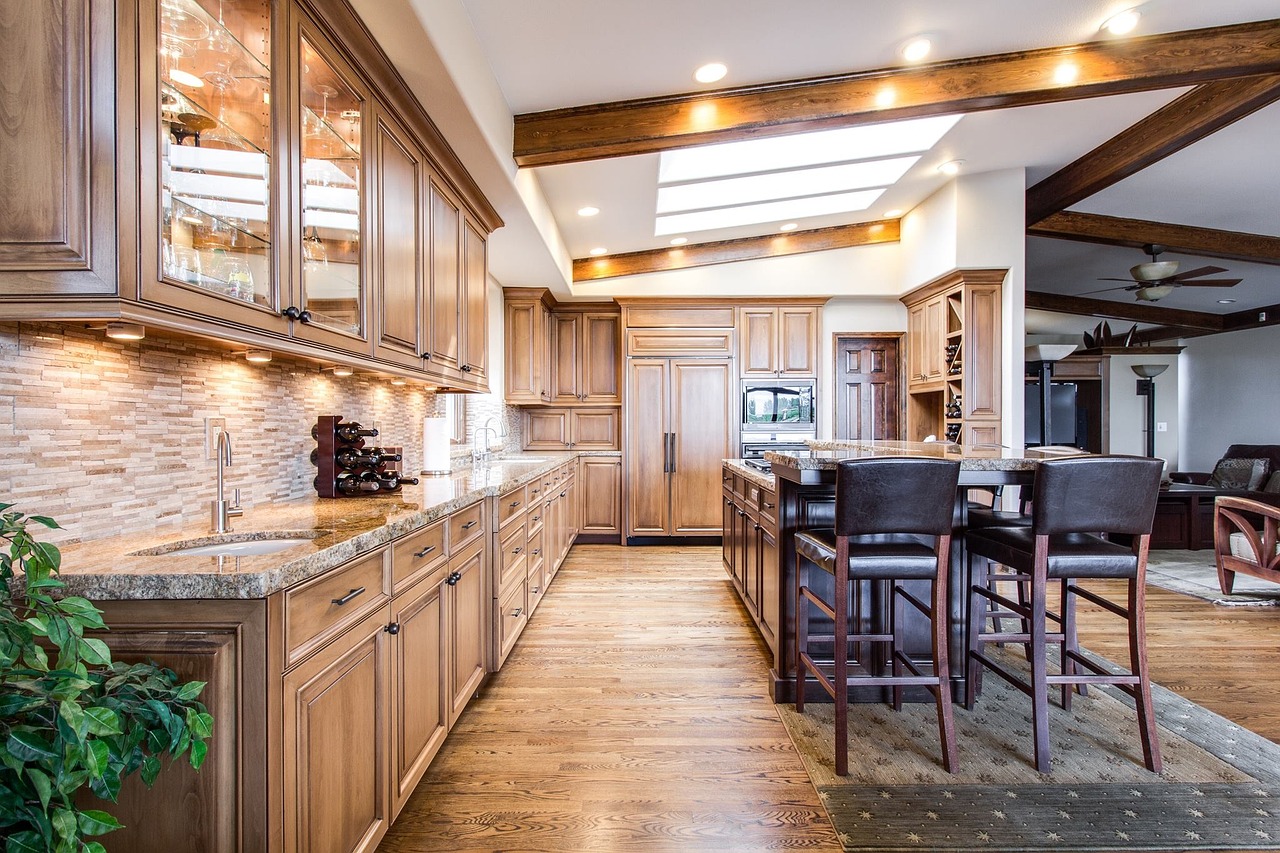
When horizontal square footage is limited, the most effective way to create a sense of spaciousness is to look upward. Standard eight-foot ceilings can make adu homes feel cramped and claustrophobic. By incorporating vaulted ceilings or clerestory windows, you draw the eye upward, which immediately changes the perception of the volume of the room. This extra vertical space does more than just provide visual relief; it offers practical storage opportunities that do not infringe on the living area.
High ceilings allow for the installation of loft spaces, which are ideal for sleeping quarters or secondary storage. Even if a full loft is not feasible, utilizing the upper third of your walls for cabinetry or open shelving can keep daily essentials out of the primary line of sight. This strategy keeps the floor clear, which is a fundamental rule in small-space design. When the floor remains visible from wall to wall, the brain perceives the room as being larger than it actually is.
Strategic Light Placement and Visual Connections
Light is perhaps the most important tool in a designer’s kit when working with ADUs. A well-lit space feels open and inviting, while a dark one feels restrictive. To maximize comfort, you should prioritize natural light from multiple directions. Placing windows on at least two sides of every room creates a cross-breeze and ensures that light reaches every corner, eliminating dark spots that shrink the room’s appearance.
Skylights and solar tubes are excellent additions for ADUs, especially if privacy concerns limit the size of traditional windows on the sides facing the primary residence. Furthermore, the use of glass doors leading to a patio or deck creates a visual extension of the interior. When the eye can travel through a window to the outdoors, the boundaries of the home feel as though they expand to the edge of the property line. This connection to nature reduces the feeling of being enclosed and significantly improves the daily living experience.
The Role of Smart Storage and Hidden Compartments
The enemy of a small home is clutter. In an ADU, even a small amount of disorganization can quickly overwhelm the living space. Therefore, storage must be integrated into the architecture itself. This means looking for “found space” in areas that are usually wasted, such as the cavity beneath a staircase or the gaps between wall studs. Every niche should be evaluated for its potential to hold books, electronics, or household supplies.
In the kitchen, floor-to-ceiling cabinetry provides a streamlined look while offering maximum volume for pantry items and appliances. Utilizing pull-out racks and corner carousels ensures that no space is lost in the back of deep cupboards. In the bathroom, recessed medicine cabinets and floating vanities keep the room feeling airy while providing necessary organization. When everything has a designated place that is out of sight, the environment remains calm and conducive to relaxation.
Wrapping-Up!
Designing a successful ADU is an exercise in editing and intentionality. By focusing on vertical space, natural light, multi-functional design, and hidden storage, you can create a home that feels significantly larger than its physical dimensions. The goal is to create a space where every element serves a purpose and contributes to a feeling of ease. When a small home is designed with both logic and heart, it becomes a testament to the idea that you don’t need a lot of space to live a very big life.