
Markets no longer move at the pace they once did. A political announcement, inflation update, or shift in interest rate expectations can trigger sharp swings across global indices within hours. For British investors, this environment has changed the way decisions are made, portfolios are structured, and risks are managed. Traditional long-term strategies still matter, but many investors now recognise that stability alone is no longer enough in a rapidly changing financial climate.
The shift has become especially noticeable over the past few years as economic uncertainty, geopolitical developments, and digital trading platforms have accelerated market reactions. Investors in the UK are paying closer attention to diversification, sector exposure, and real-time economic signals. Rather than relying on outdated assumptions about market behaviour, many are becoming more flexible and informed in how they approach wealth preservation and growth.
The Rise of Smarter Risk Management
One of the clearest changes among British investors is the growing focus on risk management rather than aggressive speculation. Financial professionals across the UK increasingly emphasise portfolio resilience, especially as market conditions remain unpredictable. Investors are looking beyond short-term trends and considering how their holdings would respond during periods of volatility, inflation pressure, or economic slowdown.
This has encouraged broader diversification across industries, geographic regions, and asset classes. While equities remain central to many portfolios, there is growing interest in defensive sectors, dividend-paying stocks, commodities, and alternative investments. The goal is not simply to potentially maximise returns but to reduce exposure to sudden shocks that can erode confidence and capital alike.
Investors are becoming more selective about where they place their money. Instead of following hype-driven opportunities, many now prioritise companies with strong balance sheets, reliable cash flow, and adaptable business models. Institutions such as the Bank of England and major financial advisory groups continue to stress the importance of disciplined investing during uncertain periods, and retail investors are increasingly adopting that mindset.
Technology Is Reshaping Investment Decisions
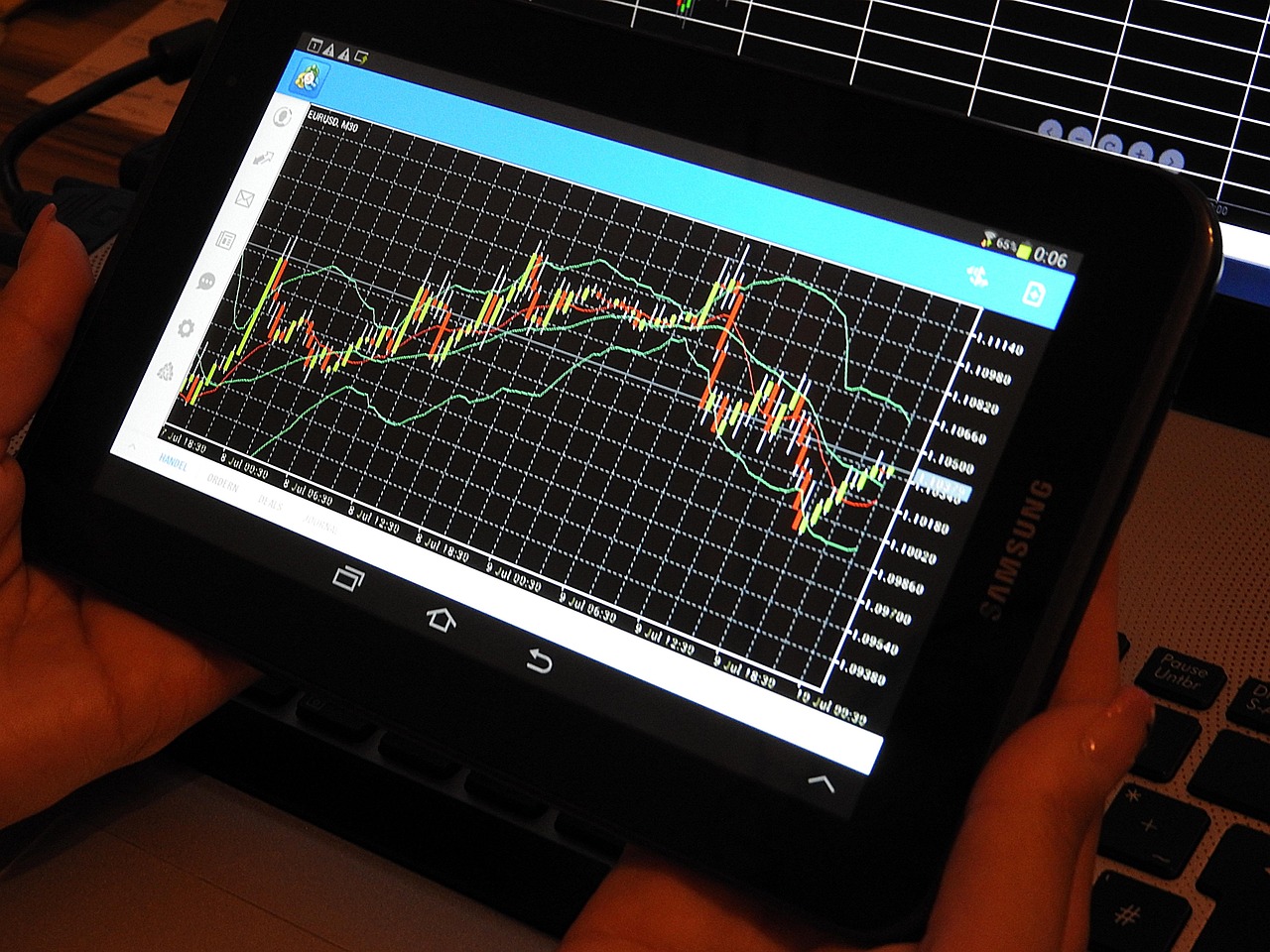
Digital platforms have dramatically changed how British investors engage with the market. Real-time access to news, analytics, and trading tools has made investing more immediate and interactive than ever before. Investors no longer wait for quarterly reports or financial newspapers to understand market sentiment. Information moves instantly, and investment decisions often move with it.
This accessibility has created both opportunities and challenges. On one hand, investors have greater control and more educational resources available through online brokerages and financial platforms. Many use research tools, economic calendars, and portfolio tracking systems to stay informed and make more calculated decisions. Others rely on insights from analysts, institutional commentary, and market data available through the official site of financial service providers and investment research platforms.
However, faster access to information can also lead to emotional reactions and impulsive trading. British investors are increasingly aware of this risk and are becoming more disciplined about filtering noise from meaningful trends. Rather than reacting to every market headline, experienced investors often focus on broader economic patterns, company fundamentals, and long-term positioning.
Changing Attitudes Toward Global Exposure
Another major shift is the growing willingness among British investors to think globally. While UK-based assets remain important, many investors recognise that international exposure can provide greater balance and opportunity during volatile periods. Economic growth patterns differ across regions, and investors are seeking ways to reduce dependence on a single market environment.
This has led to increased interest in US technology firms, emerging markets, renewable energy sectors, and international index funds. Global diversification is often viewed as a practical strategy for managing uncertainty while still pursuing growth. Financial advisers commonly encourage balanced international exposure because different economies tend to respond differently to inflation, monetary policy, and geopolitical events.
Currency considerations have also become more important. Fluctuations in the pound can affect international investment performance, making currency risk part of broader portfolio planning. British investors are becoming more educated about how exchange rates influence returns, especially when holding overseas assets or investing in multinational companies.
Long-Term Thinking Still Matters
Despite the faster pace of modern markets, long-term investing remains a core principle for many British investors. Volatility may influence short-term decisions, but experienced investors understand that reacting emotionally to every downturn can damage long-term financial goals. Patience, consistency, and strategic planning still play a critical role in successful investing.
Many investors are focusing more closely on financial goals rather than daily market performance. Retirement planning, income generation, and wealth preservation continue to shape investment strategies across different age groups. This practical mindset has encouraged more disciplined portfolio reviews and regular adjustments instead of dramatic shifts based on short-term fear or excitement.
Conclusion
British investors are adapting to a market environment defined by speed, uncertainty, and constant change. Rather than relying solely on traditional investing habits, many are embracing smarter risk management, digital tools, global diversification, and a more informed approach to financial decision-making. The focus has shifted from chasing quick gains to building resilient strategies capable of withstanding volatility.
While unpredictable markets are likely to remain a reality, investors who stay disciplined, informed, and adaptable are often better positioned for long-term success. The modern investment landscape may move faster than ever, but thoughtful planning and steady decision-making continue to be the qualities that matter most.




Leave a Reply