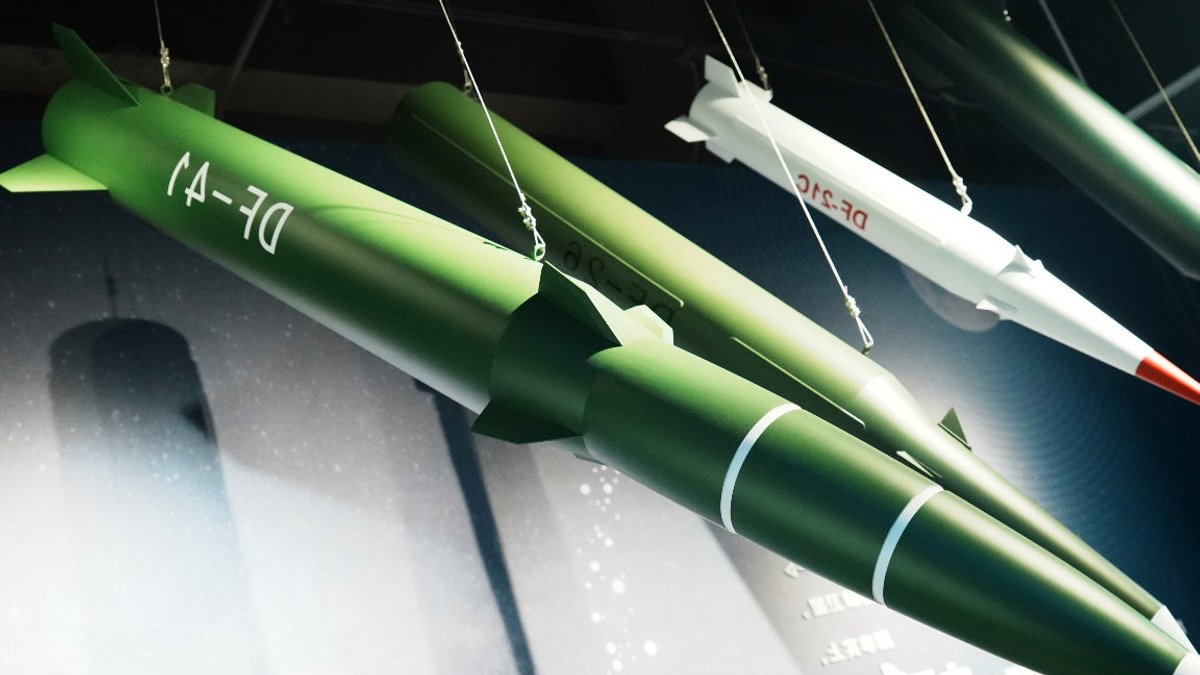
According to the report, China is expected to have over 1,000 operational nuclear warheads by 2030. This significant expansion of its nuclear arsenal is part of a broader effort by Beijing to modernize and develop its military capabilities.
The Japanese Ministry of Defense’s 2026 Defense White Paper notes that China’s nuclear modernization includes the development of a complete nuclear triad, with improvements to its land-, air-, and sea-based nuclear launch platforms.
Expansion of Nuclear Capabilities
China is currently building new silos for intercontinental ballistic missiles (ICBMs) and increasing the number of mobile missile launchers. The report also highlights the deployment of the JL-3 missile on board new-generation nuclear submarines, which has a range of 10,000 kilometers.
This means that China can target the US mainland from its own coastal waters. The Japanese government is increasing its defense spending in response to these developments, citing the deteriorating strategic environment and lessons learned from contemporary conflicts, such as the one in Ukraine.
Japan’s Response
Japanese officials argue that the increase in defense spending is necessary to counter growing threats not only from China but also from North Korea and Russia. The 2026 Defense White Paper states that the international community has entered a new period of instability, marked by systemic crises.
Related: Russia ships more oil to Asia
As China continues to expand its nuclear arsenal, Japan is taking steps to strengthen its own military power. The Japanese government’s decision to increase defense spending is a response to the changing security setting in the region.
The development of new nuclear launch platforms and the deployment of the JL-3 missile are significant advancements in China’s nuclear capabilities. With a range of 10,000 kilometers, the JL-3 missile gives China the ability to target the US mainland without leaving its own coastal waters.
Regional Implications
The expansion of China’s nuclear arsenal has significant implications for the region. Japan’s decision to increase defense spending is a response to the growing threats in the region, including those from China, North Korea, and Russia. The Japanese government’s efforts to strengthen its military power are aimed at maintaining regional stability and security.
According to the report, China’s nuclear modernization is expected to continue, with the country projected to have over 1,000 operational nuclear warheads by 2030. This significant expansion of its nuclear arsenal is a major concern for Japan and other countries in the region.





Leave a Reply