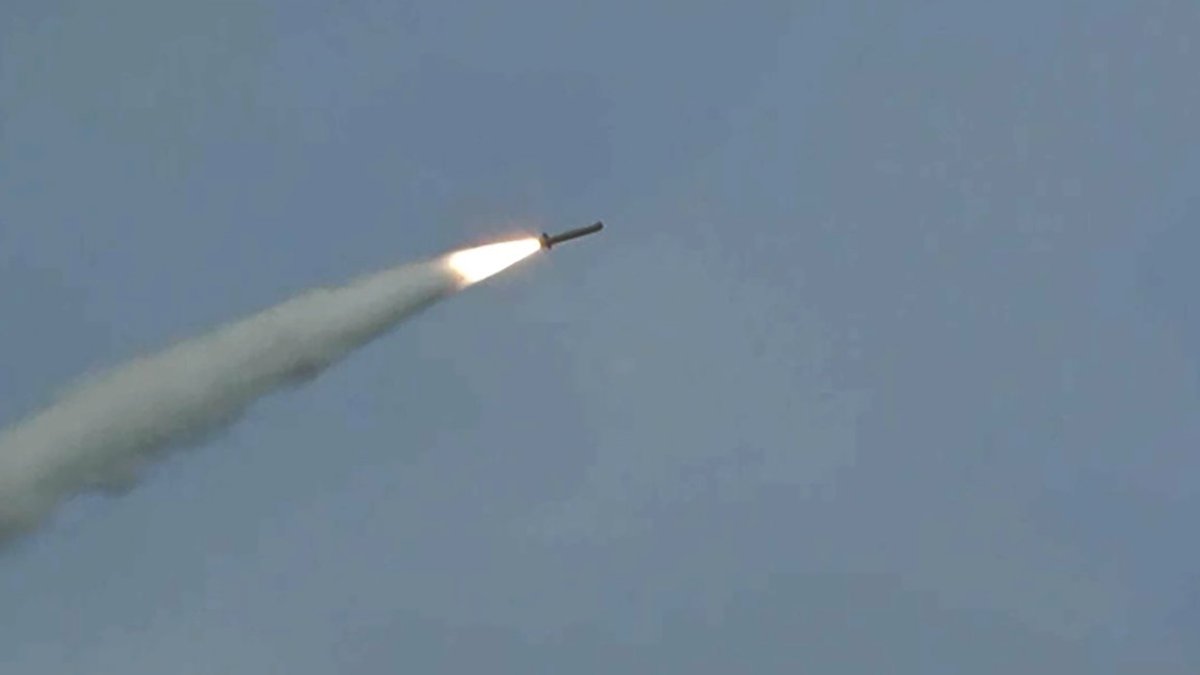
Russia is expected to keep launching roughly one hundred ballistic missiles each month, according to a defense‑technology consultant linked to the Ukrainian presidency.
Analyst projects sustained missile tempo
Serhii “Flash” Beskrestnov advises Ukraine’s president on defense technology. In a video posted to Facebook he said his own calculations, not official data, point to a steady rate of about 100 missile launches per month after the recent spike in activity. He noted that the current surge reflects existing stockpiles rather than a sudden increase in production.
The output typically includes around 40 RM‑48U rockets fired from S‑400 systems and about 60 Iskander‑M missiles. In mid‑July Russia reportedly fired 107 ballistic missiles, a figure that exceeded its usual monthly capacity.
Target selection broadens
The analyst observed a shift in Russian tactics. Rather than focusing on a narrow set of civilian structures, strikes now cover a wide range of locations, including retail outlets, construction material depots and food storage sites. Recent attacks have hit warehouses and production facilities, and Beskrestnov warned that such assaults will continue as long as Moscow retains sufficient ammunition.
Related: China Expands Nuclear Arsenal Rapidly
He added that Russian forces often rely on local collaborators who monitor the movement of goods and vehicles, providing real‑time intelligence for precision strikes. An informant used this method to target his own residence.
While the numbers come from a single source, the projection aligns with publicly known production rates for the RM‑48U and Iskinder‑M families. The estimate suggests that, barring major supply disruptions, Russia can sustain the one‑hundred‑missile pace for the foreseeable future.
For Ukrainian businesses, the threat translates into logistical challenges. Beskrestnov urged firms to reconsider their supply chains, advocating for a network of smaller warehouses instead of large, centralized storage sites. By spreading out inventory, companies can reduce the impact of any single strike and avoid creating shortages of essential goods.
In practice, this means diversifying both storage locations and distribution routes. Smaller depots lower the risk that a single attack will cripple an entire supply line, a strategy that could help keep markets supplied despite ongoing hostilities.
Related: Transportation Marketing: How Reliability Builds a Lasting Brand
From a broader perspective, the ability to maintain a high launch rate reflects the durability of Russia’s missile programs, which have been built up over decades. Even as international sanctions tighten, the existing stock of ballistic missiles provides a buffer that allows continued pressure on Ukrainian infrastructure. This persistence may influence future diplomatic calculations, as the missile threat remains a constant factor in the conflict’s current trends.
Ukraine’s response will likely involve further adaptation of its logistics and perhaps increased reliance on allied support for stockpiling and distribution. The ongoing pattern of strikes also raises concerns about civilian safety, given the expanding list of target types.
Overall, the analysis suggests that unless there is a significant change in Russia’s production capacity or a shift in strategic priorities, the monthly launch figure of around one hundred missiles is likely to hold steady in the months ahead.
Logistics planners must act now.




Leave a Reply