

“`html
Rising Tensions: Analyzing the Threat of Iranian Attacks on Middle Eastern Hotels Hosting US Troops
The geopolitical landscape of the Middle East has reached a volatile fever pitch. For decades, the “shadow war” between Tehran and Washington has played out across maritime corridors, desert outposts, and digital infrastructures. However, recent intelligence reports and escalating rhetoric suggest a shift in strategy. There is growing concern that Iran, or its network of regional proxies, may be pivoting toward “soft targets”—specifically, civilian hotels and lodging facilities known to host United States military personnel and contractors.
This potential escalation represents a significant departure from traditional military-on-military engagements. By targeting hospitality infrastructure, Iran aims to leverage the psychological impact of attacking non-combat zones, complicating the security calculus for US Central Command (CENTCOM) and regional allies. In this comprehensive analysis, we explore the strategic motivations, the locations at risk, and the broader implications for regional stability.
The Strategic Shift: Why Hotels are Now in the Crosshairs
For years, the United States has fortified its primary military installations across the Middle East. Bases like Al-Udeid in Qatar or Al-Asad in Iraq are equipped with sophisticated missile defense systems, including Patriot batteries and C-RAM (Counter Rocket, Artillery, and Mortar) technology. Because these “hard targets” are difficult to penetrate without significant escalation, Iran-backed groups are increasingly looking at vulnerable alternatives.
The “Soft Target” Vulnerability
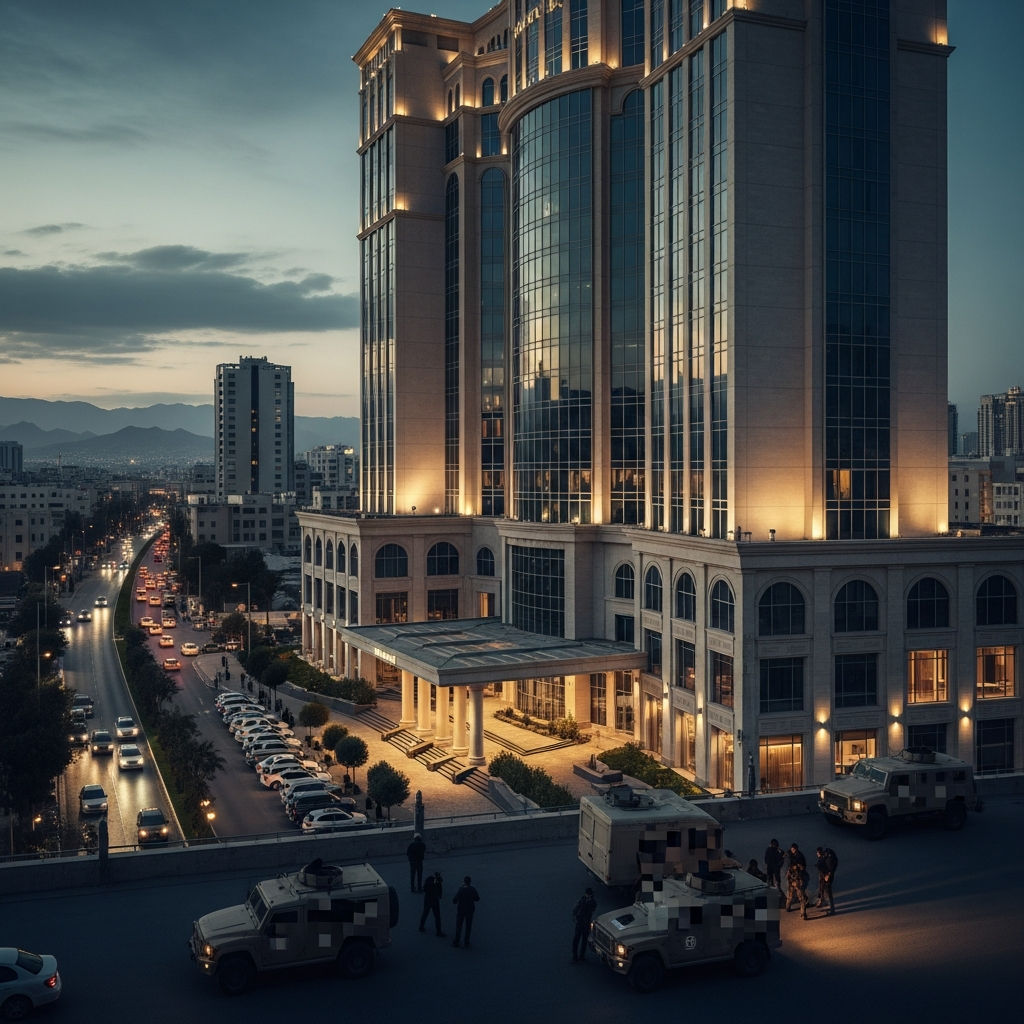
Hotels, even those with high security, lack the multi-layered kinetic defenses of a military base. Many US military advisors, diplomatic security details, and private defense contractors reside in high-end international hotels in cities like Erbil, Baghdad, and Amman. Targeting these locations offers several “advantages” for an aggressor:
- Maximum Media Exposure: An attack on a civilian hotel garners immediate international headlines, amplifying the “fear factor.”
- Lower Defensive Threshold: Drones or improvised explosive devices (IEDs) are harder to intercept in dense urban environments compared to open desert airbases.
- Diplomatic Pressure: Attacks on civilian infrastructure strain the relationship between the US and the host nation, as the latter struggles to guarantee the safety of foreign guests.
Historical Precedents and Intelligence Warnings
The threat is not merely theoretical. History provides a grim roadmap of how hospitality sectors have been caught in the crossfire of regional conflicts. From the 1983 Beirut barracks bombing (which, while a military target, shared the “lodging” vulnerability) to more recent drone strikes in the Kurdistan region of Iraq, the precedent for targeting personnel where they sleep is well-established.
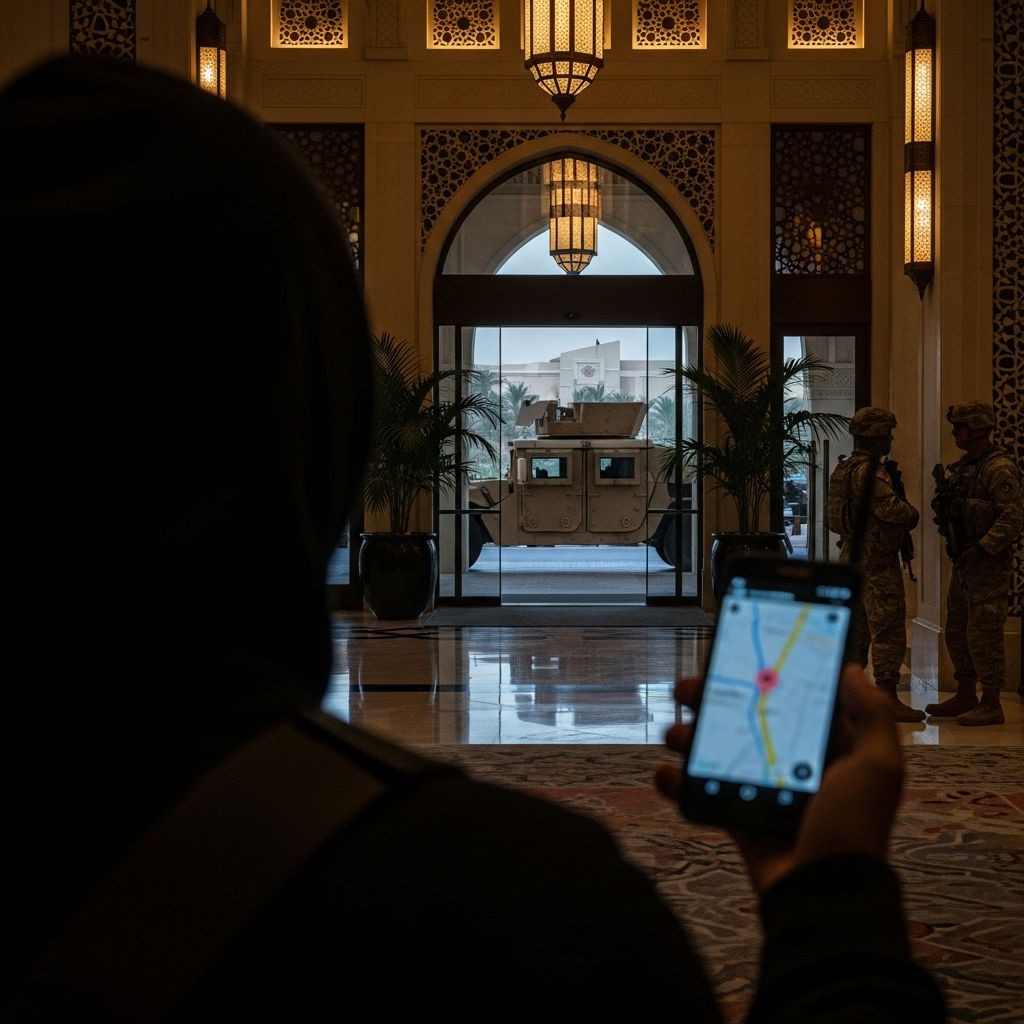
In recent months, intelligence agencies have flagged increased surveillance activity by pro-Iranian militias near major hotel chains in the Persian Gulf and Levant. These “casing” operations often involve the use of small, commercially available drones to map security entrances and identify the movement patterns of armored transport vehicles used by Western officials.
Key Geographic Hotspots for Potential Conflict
While the threat is regional, certain areas are under higher scrutiny due to the density of US presence and the proximity of Iranian-aligned “Axis of Resistance” groups.
Erbil, Iraq (Kurdistan Region)
Erbil has become a primary flashpoint. As a hub for US operations against ISIS remnants, the city hosts a large contingent of Americans. In the past, the IRGC (Islamic Revolutionary Guard Corps) has launched direct ballistic missile strikes on Erbil, claiming to target “Israeli spy hubs.” The hotels in Erbil, frequented by US contractors, remain on high alert.
Baghdad’s International Zone
Despite the high security of the “Green Zone,” the surrounding areas of Baghdad host several hotels where diplomatic and military support staff reside. Pro-Iran militias like Kata’ib Hezbollah have repeatedly demonstrated their ability to launch rocket fire into these districts with precision.
The Gulf States (UAE and Qatar)
While traditionally seen as safer havens, the UAE and Qatar are not immune. Following the Abraham Accords and the continued basing of US troops, these nations have been named in Iranian state-media rhetoric as “legitimate targets” if they continue to facilitate US military operations in the region.
Methods of Attack: The Evolution of Proxy Warfare
Iran rarely engages in direct conflict when a proxy can achieve the same result with plausible deniability. The tools used for such attacks have become increasingly sophisticated.
- One-Way Attack Drones (OWAs): The Shahed-series drones are cheap, difficult to track on conventional radar, and can be programmed with GPS coordinates of specific buildings.
- Cyber-Physical Attacks: Intelligence suggests efforts to hack hotel security systems, including keycard access and CCTV feeds, to facilitate physical infiltrations.
- Local Proxy Cells: Small, highly trained units capable of launching mortar fire or using VBIEDs (Vehicle-Borne Improvised Explosive Devices) remain a persistent threat in Iraq and Syria.
Impact on the Hospitality and Tourism Sector
The threat of Iran targeting hotels hosting US troops extends beyond military concerns; it poses a direct threat to the economic stability of the host nations. The Middle East has invested billions in transforming itself into a global tourism and business hub. A successful strike on a major international hotel chain would:
First, it would lead to a mass exodus of foreign investment and corporate travel. Second, insurance premiums for commercial properties in the region would skyrocket, making it cost-prohibitive for some brands to operate. Finally, it forces a “fortress” mentality, where hotels are surrounded by blast walls and checkpoints, detracting from the very hospitality they are meant to provide.
The US and Allied Response: Hardening the “Soft” Targets
In response to these credible threats, the US Department of Defense and the State Department have begun implementing “Hardening” measures for non-military lodging. These include:
- Relocation to Secure Compounds: Moving personnel from public hotels to segregated, highly guarded residential villas.
- Enhanced Intelligence Sharing: Deepening cooperation with local intelligence services to monitor the procurement of drone parts and explosives by local militias.
- Rapid Response Teams: Stationing dedicated security units near civilian lodging areas to respond within minutes of an incident.
Conclusion: A Dangerous New Frontier
The possibility of Iran attacking Middle Eastern hotels hosting US troops marks a dangerous new frontier in an already volatile region. As the US continues to provide support for its regional allies and maintain a footprint to counter extremist groups, the “home base” for its personnel—even those in civilian settings—will remain a primary target for Tehran’s asymmetric strategy.
For travelers, contractors, and military personnel, the “new normal” in the Middle East involves a heightened sense of vigilance. While the US military maintains the most advanced defense systems in the world, the challenge of protecting every “soft target” in a sprawling urban environment remains one of the most complex security puzzles of the 21st century. The world watches closely, hoping that diplomacy can de-escalate the situation before the shadow war claims more lives in the very places meant for rest and hospitality.
Further Reading and Resources
To stay informed on Middle Eastern security developments, experts recommend monitoring reports from the Institute for the Study of War (ISW), the Council on Foreign Relations (CFR), and official CENTCOM press releases. Understanding the nuances of Iran’s “Axis of Resistance” is crucial for any business or individual operating in the region today.
“`