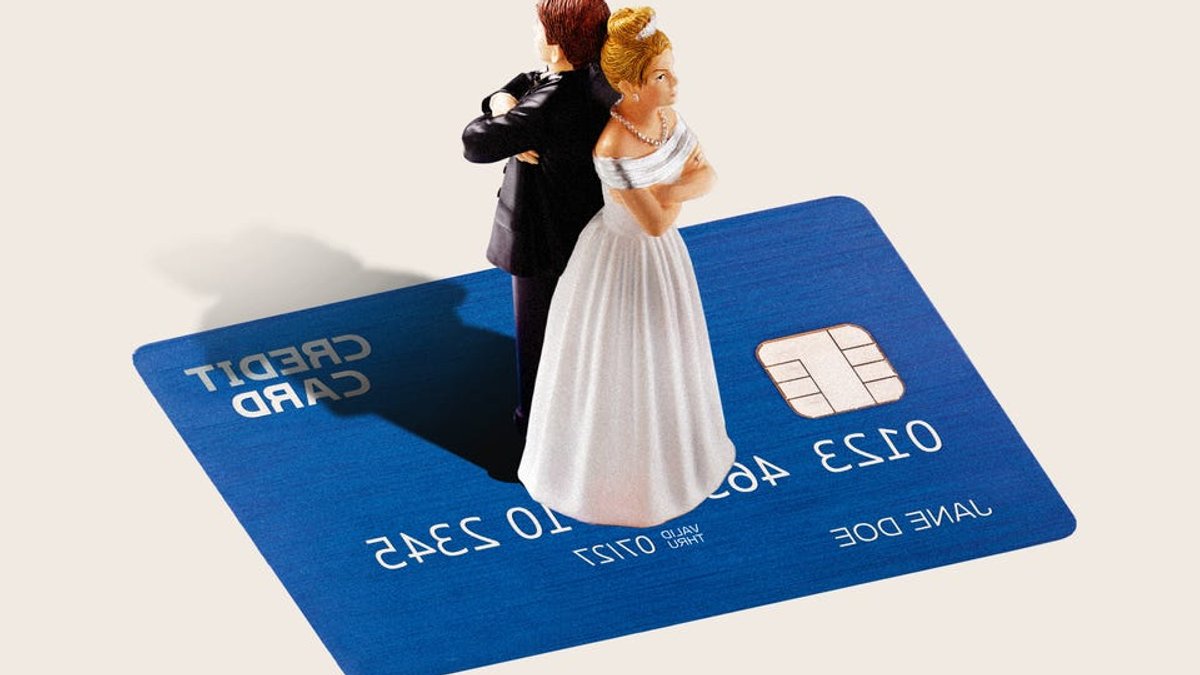
Credit card rewards are reshaping how couples negotiate everyday spending and travel plans, often turning a once‑minor hobby into a source of tension at home.
Points obsession meets everyday life
Louis Fawcett, 53, and his wife illustrate the growing divide. The pair uses two elite American Airlines cards to amass loyalty points and status, but while Fawcett relishes the chase, his spouse prefers to keep things simple. “She’s a more laid‑back person,” he says, handing her phone whenever a points decision arises.
She will sit with him in American’s Admirals Club, which she jokingly dubs the “poor people’s lounge,” yet she avoids the Centurion Lounge that his new Amex Platinum card grants access to, citing the $50 guest fee as a deterrent. A few years back, Fawcett upgraded a family flight from South Carolina to Hawaii to first class; his wife chose to remain in the main cabin with their children.
Related: Canva resists mandatory AI tool use
“That’s your choice,” he recalls, “but don’t tell me I’m snooty because I’m in first class when you have to walk past me to go back in the tiny seats.” The episode highlights how reward‑driven upgrades can trigger differing expectations about comfort and cost.
When rewards become a household role
As credit card offers grow more lucrative, they also become more complex. Maximizing bonuses often demands spreadsheets, meticulous tracking of purchase categories, and an eye for fine‑print nuances. In many families, one partner assumes the “points point person” role while the other steps back, creating a financial dynamic that mirrors broader differences in money attitudes.
Scott Rick, an associate professor of marketing at the University of Michigan, notes that people tend to gravitate toward partners whose spending habits contrast with their own. “Big spenders are attracted to penny‑pinchers, and vice versa,” he explains. The initial allure of a “fatal (fiscal) attraction” can fade as daily budgeting pressures mount, turning what once felt like a playful competition into a source of friction.
Related: States probe ChatGPT’s effect on youth
Jenny Olson, an assistant marketing professor at Indiana University’s Kelley School of Business, adds that the underlying issue often isn’t the money itself but what it represents. For some, points symbolize freedom and adventure; for others, they reflect security and stability.
Experts advise communication over calculation
Financial therapist Megan McCoy from Kansas State University suggests that couples ask “why” they’re engaged in points‑hunting. If one partner is detail‑oriented and the other sees the process as a game, recognizing that distinction can prevent unnecessary conflict. “If someone’s anxious, the partner can have empathy around that anxiety,” she says.
Chris Hutchins, host of the “All the Hacks” podcast, recounts frequent disputes over both earning and spending points. He admits to opening cards in his wife’s name to capture sign‑up bonuses, only to learn later that she was surprised by the new account. “Now, I make sure there’s an actual conversation,” he notes, emphasizing the need for transparency.
Related: Mamdani capitalist plan aims to fix housing crisis
He also points out that points can lock families into specific travel choices. “One of the things that points does that is frustrating is that it makes you think you can only travel in a certain way,” he says. When a family wants to visit Hawaii but only has enough points for a flight to Phoenix, the tension between aspiration and reality becomes evident.
Overall, the rise of credit card rewards has added a new layer to household finances. While the system can deliver tangible benefits—free flights, lounge access, and upgraded seats—it also demands a level of coordination that many couples were not prepared for. The key, according to experts, lies in open dialogue, a willingness to share the workload, and a clear understanding of what each partner values most about the points game.
Communication beats calculation.





Leave a Reply