

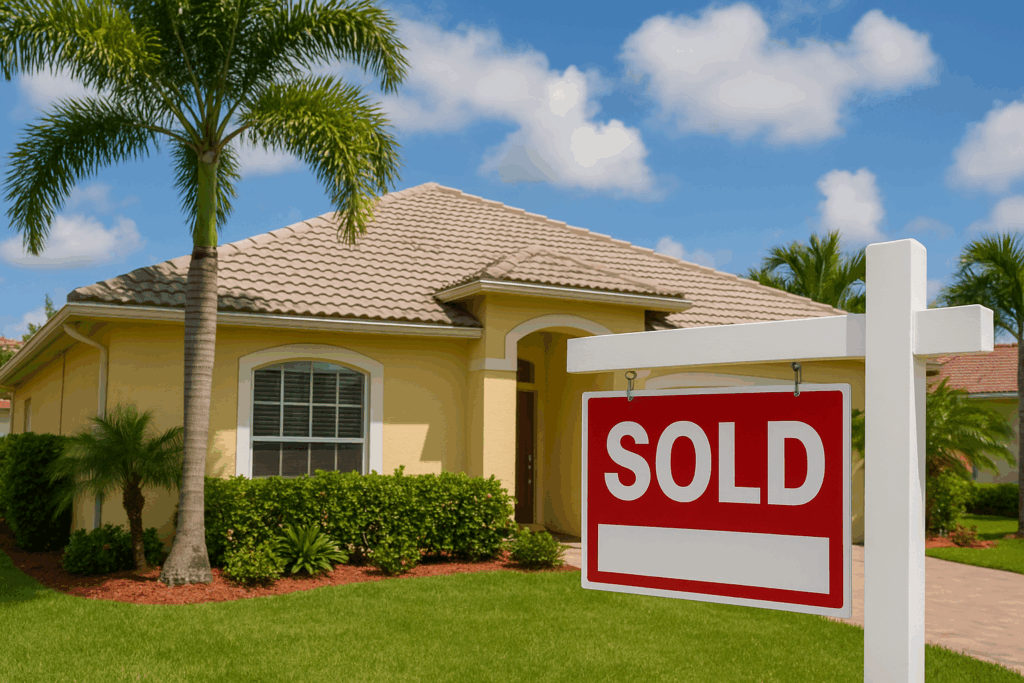
As December 2025 wraps up, Florida’s housing and mortgage environment looks very different from what buyers experienced earlier in the year. Shifts in federal interest rate policy, evolving state tax discussions, and new lending strategies are reshaping how families across South Florida approach homeownership. For many buyers, these changes will determine whether purchasing a home is finally within reach—or whether financial planning must be adjusted before moving forward.
Understanding how mortgage rates, renovation financing, and property tax reforms intersect is essential for anyone hoping to buy or refinance in today’s market.
Note: We are a quality mortgage brokerage firm in South Florida that provides great, competitive rates with flexible types of loan packages. Need a Mortgage broker Near Me click here.
Interest Rates Begin to Ease After a Challenging Cycle
One of the most impactful developments this December came from the Federal Reserve’s final policy meeting of the year. After a prolonged stretch of elevated borrowing costs, mortgage rates have begun to stabilize and, in some cases, decline modestly. For Florida homebuyers, this shift brings renewed optimism.
A lower interest rate directly affects affordability. When rates decrease, borrowers can often qualify for a higher loan amount without increasing their monthly payment. This expanded purchasing power has already encouraged more buyers to re-enter the market, particularly in competitive areas like Miami, Fort Lauderdale, and surrounding Broward and Palm Beach communities.
However, increased buyer activity also means heightened competition. Homes that are priced well and located in desirable neighborhoods are moving quickly. As a result, many sellers now expect buyers to arrive with financing already secured, making pre-approval more important than ever.
Renovation Financing: Turning Imperfect Homes Into Smart Investments
Another trend gaining momentum in South Florida is the growing use of renovation-friendly mortgage programs. Buyers who once passed on homes needing repairs are now discovering that financing improvements at the time of purchase can be both practical and cost-effective.
Programs such as FHA 203(k) loans and Fannie Mae HomeStyle mortgages allow borrowers to combine the purchase price of a home with the projected cost of renovations into a single loan. The mortgage is then based on the property’s estimated value after the work is completed.
This approach offers several major advantages:
- Property Cleanout and Junk Removal: Many distressed or inherited properties are sold with leftover furniture, debris, or abandoned items. Renovation loans can include the cost of professional cleanout services, allowing buyers to take possession of a move-in-ready home.
- Air Conditioning Replacement: In South Florida, a reliable AC system is a necessity, not a luxury. These programs allow buyers to replace outdated or non-functioning systems with energy-efficient models without draining their savings.
- Water and Mold Repairs: From storm damage to aging plumbing, water issues are common across the region. Financing repairs upfront ensures the work is completed properly before move-in, reducing long-term risks.
By rolling these expenses into the mortgage, buyers avoid relying on high-interest credit cards or personal loans and preserve cash for closing costs, furnishings, and emergency reserves.
“Florida Advocates provides experienced lawyers for home insurance claims who fight to ensure you receive a fair settlement. If your property damage claim has been wrongfully denied, delayed, or underpaid, our dedicated legal team will hold the insurance company accountable and help you secure the maximum recovery you deserve.”
Property Tax Reform and What It Could Mean for Homeowners
December also brought renewed attention to property tax policy in Florida. Lawmakers have been debating proposals aimed at reducing unexpected tax increases for homeowners who use their property as a primary residence.
One of the most discussed issues is the so-called “Welcome Stranger” effect. Historically, when a home changed ownership, property taxes often increased sharply based on the new assessed value, leaving buyers surprised by significantly higher bills in their second year of ownership. Proposed reforms seek to soften or limit these spikes, making future tax obligations more predictable.
For buyers, predictability matters. Knowing what your property taxes are likely to be over time allows for more accurate budgeting and long-term planning.
What South Florida Buyers Should Prioritize Now
While these changes are largely positive, they also place more responsibility on buyers to be proactive and informed.
Securing a Homestead Exemption remains one of the most important steps for Florida homeowners. This exemption not only reduces taxable value but also limits how much property taxes can increase annually. Missing the filing deadline can result in higher costs for years to come.
Condo buyers, in particular, should exercise caution. Updated safety and reserve requirements enacted in 2025 mean buyers must carefully review association finances, upcoming assessments, and long-term maintenance plans before committing to a purchase.
Note: Our firm specializes in Estate Planning, Asset protection and probate law. probate lawyer fort lauderdale
How Mortgages and Estate Planning Work Together
Beyond interest rates and taxes, one area often overlooked by homebuyers is how a mortgage fits into a broader estate plan. For many families, their home is their largest asset—and the way it is financed and titled can have lasting implications.
When structured correctly, a mortgage can support long-term estate planning goals:
- Protecting Heirs: Clear estate planning ensures that a home passes smoothly to beneficiaries without unnecessary delays or legal disputes. This is especially important when a mortgage is still in place.
- Avoiding Probate Complications: Tools such as trusts or enhanced life estate deeds (Lady Bird deeds) can help transfer property outside of probate, even when a mortgage exists.
- Planning for Incapacity: Estate planning documents like powers of attorney allow trusted individuals to manage mortgage payments or refinance if the homeowner becomes incapacitated.
- Equity Preservation: As home values rise, proper planning helps ensure that equity built through mortgage payments benefits loved ones rather than being lost to legal fees or tax inefficiencies.
For homeowners nearing retirement or purchasing a second home, coordinating mortgage decisions with an estate planning attorney can provide peace of mind and financial clarity.
The Value of Local Expertise
With mortgage guidelines, tax proposals, and lending programs evolving rapidly, navigating the South Florida market without expert guidance can be risky. A knowledgeable local mortgage professional understands how these factors interact and can tailor loan options to fit both short-term affordability and long-term goals.
The Real Mortgage Guy specializes in helping South Florida buyers make sense of these changes. From renovation loans to first-time buyer programs, their local insight can help families secure financing that aligns with both their budget and their future plans.
Final Thoughts as 2025 Ends
As the year comes to a close, Florida’s housing market reflects cautious optimism. Lower interest rates have improved affordability, property tax reforms aim to reduce surprises, and flexible mortgage products are opening doors to homes that once seemed out of reach.
Buyers who take the time to understand their financing options—and how those choices connect to broader estate planning goals—are best positioned to protect their investment and their family’s future. With the right strategy and local guidance, the path to homeownership in South Florida can be both achievable and sustainable.