
Electrical systems are the unseen backbone of modern buildings. From emergency lighting to smoke extraction and alarm systems, power must keep flowing—especially during a fire. But what happens when standard wiring fails under extreme heat? The result can be cascading failures that cripple life-saving infrastructure when it’s needed most.
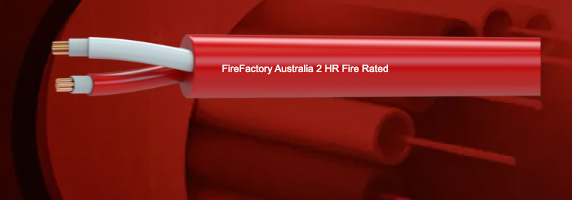
Enter 2hr fire rated cables—designed to maintain circuit integrity for at least 120 minutes during fire conditions. These cables are not only fire-resistant but also engineered to prevent secondary hazards like short circuits, false alarms, and system shutdowns. Let’s explore how these cables work, and why they’re critical in fire-safe electrical design.
What Causes Cascading Electrical Failures During Fires?
In a fire event, extreme heat, flame, and smoke impact more than just the structural integrity of a building—they affect wiring systems too. Here’s how:
- Insulation Breakdown: Conventional cables melt quickly under high temperatures, exposing conductors and creating shorts.
- False Signals: Control systems receive erratic input as cable insulation deteriorates, triggering false alarms or shutting down safety systems.
- Power Loss: Essential systems like emergency lighting, fire alarms, and elevators lose power due to open circuits or system-wide failures.
- System Overload: When one part of a circuit fails, the load may shift to adjacent systems, overloading them and creating a ripple effect of failures.
These failures can result in delayed evacuations, loss of visibility, and even non-functional firefighting equipment—all during the most critical moments.
How 2-Hour Fire Rated Cables Prevent System Collapse
Unlike standard power or TPS cables, 2-hour fire rated cables are designed to withstand 950–1000°C temperatures for up to 120 minutes. This performance is governed by standards like AS/NZS 3013 and tested under conditions that simulate real fire scenarios—including mechanical shock, water spray, and prolonged heat.
Here’s how they mitigate risk:
- Maintain Circuit Integrity: These cables continue conducting power to critical systems during and after a fire outbreak.
- Avoid False Readings: Insulation remains intact, preventing noise or interference in data and control signals.
- Minimise System Downtime: When fire is contained, building systems can remain operational or restart more quickly due to reduced internal damage.
- Enable Fire-Fighting Response: Systems like pressurised stairwells, smoke control fans, and PA systems remain functional, supporting emergency services.
Without fire-rated cables, even minor electrical faults can snowball into a system-wide failure that undermines fire safety planning.
Real-World Applications That Demand Fire Integrity
Fire rated cabling is essential wherever the failure of a power or control circuit could result in injury, loss of life, or significant operational disruption. Common examples include:
- Emergency Lighting Systems: Guiding people to exits requires guaranteed power for the full duration of an evacuation.
- Smoke Extraction Fans: Power failure here could trap smoke in stairwells and corridors.
- Fire Alarm & Detection Circuits: These must remain operational for alerts to be issued during and after the initial fire outbreak.
- Sprinkler Control Systems: Electrically controlled pumps and valves rely on functioning cabling to suppress the fire effectively.
- Lift Safety Systems: Controlled shutdowns or fire evacuation lifts require continuous signal integrity.
The greater the building’s complexity—hospitals, airports, tunnels, data centres—the more essential it becomes to install fire rated cables that can perform in extreme conditions.
Not All Cables Are Created Equal
It’s important to differentiate between cables that are simply flame retardant and those that are fire rated. Flame retardant cables resist ignition and slow the spread of fire, but they don’t guarantee functionality under fire conditions.
In contrast, 2-hour fire rated cables are tested for:
- Temperature Resistance (950°C+)
- Mechanical Impact during heating
- Water Spray following fire exposure
- Voltage Integrity during and after all tests
These cables may incorporate materials like mica tape, LSZH (low smoke zero halogen) compounds, or ceramic-forming insulation to survive and function under duress.
Supplementing with Smart Cable Selection
While 2-hour fire rated cables are critical for emergency systems, other specialty cables like flat white stripe cables play a role in low-voltage applications, such as signal control, alarm circuits, or device interconnects. Proper separation and coordination between these cable types can prevent cross-system interference and help maintain system performance during a fire.
Installation Matters
Even the best cable will fail if it’s installed incorrectly. Fire rated cables should be:
- Routed through fire-rated zones or protected with fire-resistant conduit
- Clearly labelled and isolated from standard cabling
- Terminated using certified fire-rated accessories
- Installed by electricians familiar with AS/NZS 3013 standards
Contractors must also account for penetrations through fire walls, using fire-rated seals to preserve compartmentalisation and cable function.
Final Thoughts
Electrical faults during fires aren’t just a matter of property damage—they’re a threat to human safety and emergency response. 2hr fire rated cables offer a reliable, code-compliant solution to keep critical systems running when they matter most.
By investing in tested and certified fire-resistant wiring, you’re not just protecting infrastructure—you’re actively preventing cascading failures that could turn a contained fire into a life-threatening event.
Need help choosing the right cable for your project? Explore Fire Factory’s full range of compliant fire-rated solutions—designed to perform when it counts.