
Business Marketing – Business marketing has undergone a dramatic transformation in recent years, driven by technological advancements, changing consumer behaviors, and an increasingly digital world. From traditional advertising methods to data-driven and AI-powered strategies, businesses must continuously adapt to remain competitive. In this article, we will explore the latest trends, innovative approaches, and the impact of technology on modern business marketing.
1. The Shift from Traditional to Digital Marketing

Marketing has always been a crucial aspect of business success, helping brands connect with their audiences and drive sales. However, the methods used to reach consumers have dramatically changed over the years. Traditional marketing—once dominated by print ads, television commercials, billboards, and direct mail—has now taken a backseat to digital marketing strategies that leverage the power of the internet, social media, and AI-driven personalization.
This shift from traditional to digital marketing is more than just a trend; it is a necessary transformation that businesses must embrace to remain competitive. In this article, we will explore the factors driving this shift, the latest innovations in digital marketing, and how businesses can successfully transition to a digital-first approach.
1. Understanding the Decline of Traditional Marketing
1.1 The Challenges of Traditional Marketing
Traditional marketing methods have long been the foundation of advertising, but they come with several limitations:
High Costs – Running television ads, publishing in newspapers, and renting billboard spaces require a significant budget.
Limited Audience Targeting – Traditional advertising is broad and lacks the ability to target specific demographics accurately.
Difficulty in Measuring ROI – Unlike digital marketing, where analytics tools provide real-time data, traditional marketing makes it harder to track campaign performance.
Declining Consumer Attention – With the rise of streaming services, ad blockers, and digital content, consumers are less engaged with traditional ads.
1.2 The Rise of Digital Consumer Behavior
Consumer habits have shifted significantly over the past decade. People now spend more time online than ever before, using search engines, social media, and streaming platforms to access information and entertainment. This digital engagement has led businesses to reconsider their marketing strategies and invest more in digital channels.
Read Also: 4 Promising Business Opportunities in 2025
Key Consumer Behavior Changes Driving Digital Marketing:
More than 60 percent of web traffic now comes from mobile devices.
Consumers prefer personalized content over generic ads.
E-commerce has surged, making digital advertising more critical than ever.
2. The Digital Marketing Revolution: Key Innovations
2.1 The Power of AI and Machine Learning
Artificial intelligence (AI) has revolutionized digital marketing by enabling hyper-personalization, automation, and predictive analytics. AI tools can analyze vast amounts of data to predict consumer behavior, optimize ad performance, and improve customer engagement.
Examples of AI-driven marketing innovations:
Chatbots and virtual assistants for 24/7 customer support.
Personalized product recommendations based on user behavior.
Automated email marketing campaigns that deliver relevant content to segmented audiences.
2.2 The Domination of Social Media Marketing
Social media platforms like Instagram, TikTok, Facebook, and LinkedIn have become essential for brand promotion. Businesses now use social media to:
Build brand awareness through engaging content.
Run targeted ad campaigns with precise audience segmentation.
Foster community engagement through interactive posts, polls, and live streams.
2.3 The Evolution of Search Engine Optimization (SEO)
With more consumers relying on search engines to find products and services, SEO has become a crucial component of digital marketing. Businesses must:
Optimize for voice search, as more people use virtual assistants like Alexa and Siri.
Focus on experience, expertise, authoritativeness, and trustworthiness (E-E-A-T) to rank higher in Google search results.
Improve website speed and mobile-friendliness to enhance user experience.
2.4 The Rise of Short-Form Video Content
TikTok, YouTube Shorts, and Instagram Reels have changed the way businesses create and distribute content. Video marketing is now a dominant strategy due to its high engagement and shareability.
2.5 Influencer Marketing and User-Generated Content (UGC)
Consumers trust recommendations from real people more than traditional advertisements. Businesses are leveraging influencers and UGC to build brand credibility and increase conversions.
3. The Benefits of Digital Marketing Over Traditional Marketing
3.1 Cost-Effectiveness and Better ROI
Digital marketing provides better control over budgets, allowing businesses to spend efficiently. Pay-per-click (PPC) advertising, social media ads, and email marketing campaigns often have a higher return on investment (ROI) than traditional methods.
3.2 Advanced Audience Targeting
Unlike traditional marketing, digital marketing allows businesses to:
Target specific demographics, interests, and behaviors.
Retarget users who have previously interacted with their brand.
Use geo-targeting to deliver location-based advertisements.
3.3 Real-Time Data and Analytics
One of the biggest advantages of digital marketing is real-time tracking and optimization. Marketers can monitor performance metrics such as:
Click-through rates (CTR)
Conversion rates
Customer engagement
Website traffic sources
This data-driven approach allows businesses to adjust their strategies instantly for better results.
3.4 Enhanced Customer Engagement and Interaction
Unlike traditional advertising, digital marketing enables two-way communication between brands and consumers. Customers can:
Leave reviews and feedback.
Engage with brands through social media.
Receive personalized responses via chatbots and direct messages.
4. How Businesses Can Successfully Transition to Digital Marketing
4.1 Developing a Digital-First Mindset
To thrive in the digital era, businesses must embrace digital transformation at every level, from leadership to marketing teams.
4.2 Investing in Digital Skills and Tools
Companies should train employees in digital marketing strategies and invest in:
Marketing automation tools such as HubSpot and Marketo.
SEO software such as SEMrush and Ahrefs.
AI-powered analytics platforms such as Google Analytics and Tableau.
4.3 Creating High-Quality, Engaging Content
Content is a core element of digital marketing. Businesses should focus on:
Blogging and thought leadership to establish authority.
Video content to capture audience attention.
Interactive content such as quizzes and infographics for better engagement.
4.4 Leveraging Omnichannel Marketing
A successful digital marketing strategy requires an omnichannel approach, meaning businesses should integrate multiple platforms, including:
Website and blog
Social media channels
Email marketing
Paid advertising, including Google Ads and Facebook Ads
4.5 Personalization and Customer-Centric Strategies
With AI and big data, businesses can offer personalized experiences, including:
Customized email campaigns.
AI-driven product recommendations.
Personalized social media ads based on browsing history.
5. The Future of Marketing: What’s Next?
5.1 The Rise of the Metaverse and Virtual Marketing
As the metaverse gains traction, businesses will explore virtual stores, digital experiences, and interactive brand engagement in virtual reality (VR) and augmented reality (AR) environments.
5.2 Blockchain in Marketing
Blockchain technology is set to revolutionize digital advertising by enhancing data privacy, reducing ad fraud, and providing transparent ad tracking.
5.3 Ethical and Sustainable Marketing
Consumers are increasingly supporting brands that promote sustainability and ethical business practices. Businesses must align with social values and prioritize authenticity.
The shift from traditional to digital marketing is not just an option—it is a necessity. As technology continues to evolve, businesses that embrace digital strategies will gain a competitive edge, increase brand visibility, and drive more revenue.
To succeed in the modern marketing landscape, businesses must:
Invest in digital skills and tools.
Focus on data-driven decision-making.
Engage audiences through personalized, high-quality content.
Stay ahead of trends such as AI, voice search, and video marketing.
By adapting to these changes, companies can build stronger customer relationships, boost engagement, and secure long-term success in the digital era.
2. Latest Trends in Business Marketing
The landscape of business marketing is evolving faster than ever. In 2025, brands must adapt to rapid technological advancements, shifting consumer behaviors, and an increasingly competitive digital marketplace. Traditional marketing tactics are no longer enough—businesses need to embrace emerging trends to stay relevant and engage their audiences effectively.
From artificial intelligence (AI) and hyper-personalization to immersive technologies and ethical marketing, this article explores the latest trends in business marketing, how they are shaping the industry, and what companies need to do to remain competitive.
1. Artificial Intelligence and Automation in Marketing
AI-driven marketing is revolutionizing how businesses interact with consumers, create content, and optimize campaigns.
1.1 AI-Powered Personalization
Consumers now expect highly tailored experiences, and AI is enabling businesses to deliver just that. AI-powered tools analyze user behavior, preferences, and interactions to offer personalized recommendations, content, and product suggestions.
Examples of AI Personalization in Marketing:
Netflix and Spotify’s recommendation algorithms suggest content based on past user behavior.
E-commerce websites use AI-driven chatbots to assist shoppers in finding products.
Email marketing platforms generate dynamic content based on user interactions.
1.2 Chatbots and Virtual Assistants
AI chatbots are handling customer inquiries, providing instant support, and even making product recommendations. With natural language processing (NLP) advancements, chatbots now feel more human and intuitive.
1.3 Automated Content Creation and Copywriting
AI-driven content creation tools are helping marketers generate blog posts, social media updates, and product descriptions. While human creativity remains essential, AI speeds up content production and optimizes performance.
2. The Rise of Short-Form and Interactive Content
Short-form content has taken over social media, driven by platforms like TikTok, Instagram Reels, and YouTube Shorts. Businesses are leveraging these formats to capture attention quickly and engage audiences effectively.
2.1 The Dominance of Short-Form Video
TikTok-style videos are used for product showcases, tutorials, and storytelling.
Live streaming is increasing in popularity, allowing real-time engagement with audiences.
User-generated content (UGC) helps brands build trust and authenticity.
2.2 Interactive Content for Better Engagement
Consumers no longer want passive experiences; they seek interactive engagement. Businesses are using:
Quizzes and polls to gather insights and entertain audiences.
Augmented reality (AR) experiences for virtual product trials.
Shoppable social media posts allowing direct purchasing from images or videos.
3. Influencer Marketing 2.0: From Mega to Micro-Influencers
Influencer marketing has evolved beyond celebrity endorsements. In 2025, brands are focusing more on micro-influencers and niche content creators who have highly engaged audiences.
3.1 Why Micro-Influencers Are Gaining Popularity
They have higher engagement rates than mega-influencers.
Their audience trusts their recommendations more.
They offer a cost-effective alternative to big-name influencers.
3.2 The Rise of AI-Generated Influencers
Some brands are now using AI-generated virtual influencers to promote their products. These digital personalities, like Lil Miquela, are carefully designed to engage audiences without human limitations.
4. Hyper-Personalization and Data-Driven Marketing
With advanced analytics and AI, businesses are moving beyond basic segmentation to hyper-personalization, where marketing messages are tailored for individuals.
4.1 Predictive Analytics for Customer Behavior
Brands use big data and machine learning to predict what customers will need next. By analyzing past behaviors, marketers can offer:
Personalized discounts and promotions.
AI-driven customer service suggestions.
Dynamic website content that adapts based on user history.
4.2 Privacy-Focused Personalization
With growing concerns over data privacy, brands are adopting ethical data collection methods. First-party data strategies, where companies collect data directly from customers (instead of relying on third-party cookies), are becoming the norm.
5. Voice Search and Conversational Marketing
As smart assistants like Alexa, Google Assistant, and Siri become more integrated into daily life, voice search is influencing marketing strategies.
5.1 Optimizing for Voice Search
Businesses must adapt their content for voice search queries, which tend to be longer and more conversational. SEO strategies now include:
Using natural language keywords and long-tail search phrases.
Structuring content with FAQs to match voice queries.
Ensuring websites load quickly and are mobile-friendly.
5.2 Conversational Marketing with AI Assistants
Brands are investing in AI-driven voice assistants that interact with customers, helping with inquiries, recommendations, and even purchases through voice commands.
6. The Expansion of the Metaverse and Virtual Marketing
The metaverse is transforming how businesses connect with audiences. Companies are creating virtual storefronts, interactive experiences, and digital events inside virtual worlds.
6.1 Brands Leading the Way in the Metaverse
Nike has launched virtual sneakers and experiences within the metaverse.
Gucci and Balenciaga are selling digital fashion items for avatars.
Gaming brands are integrating advertising into virtual worlds.
6.2 Virtual and Augmented Reality in Marketing
AR try-on experiences allow customers to see how a product looks on them before buying.
VR events and conferences provide immersive brand engagement opportunities.
7. Sustainable and Ethical Marketing
Consumers are increasingly drawn to brands that prioritize sustainability, social responsibility, and ethical practices.
7.1 Green Marketing and Eco-Friendly Initiatives
Businesses are focusing on carbon-neutral advertising and sustainable packaging.
Companies are adopting ethical supply chain transparency to gain consumer trust.
7.2 Purpose-Driven Marketing
Brands that align with social causes and take meaningful action gain loyal customers. This includes:
Supporting diversity and inclusion.
Ethical sourcing and fair-trade partnerships.
Donating a portion of profits to meaningful causes.
8. Omnichannel Marketing and Seamless Customer Journeys
Consumers today expect a seamless experience across multiple platforms. Businesses must integrate their marketing efforts across websites, social media, apps, and physical stores.
8.1 The Power of Omnichannel Strategies
Integrated marketing campaigns ensure consistency across digital and offline channels.
AI-driven CRM systems track customer interactions to provide a smooth journey.
Click-and-collect options combine e-commerce and physical stores.
8.2 Mobile-First Marketing
With mobile usage dominating, brands are:
Prioritizing mobile-friendly websites and app experiences.
Using SMS marketing and push notifications for direct engagement.
Implementing progressive web apps (PWAs) for better mobile UX.
The world of business marketing is changing rapidly, and brands must stay ahead of the curve. The latest trends in 2025 focus on AI-driven personalization, short-form and interactive content, ethical marketing, and immersive digital experiences.
To succeed, businesses should:
Invest in AI and automation for data-driven decision-making.
Engage audiences through short-form video and interactive content.
Leverage micro-influencers and authentic brand storytelling.
Prioritize privacy-conscious personalization and ethical data collection.
Embrace the metaverse, AR, and VR for immersive brand experiences.
By embracing these trends, businesses can build stronger relationships with consumers, enhance brand loyalty, and drive long-term growth in the ever-evolving marketing landscape.
3. The Role of SEO in Business Marketing
3.1 The Importance of SEO for Visibility
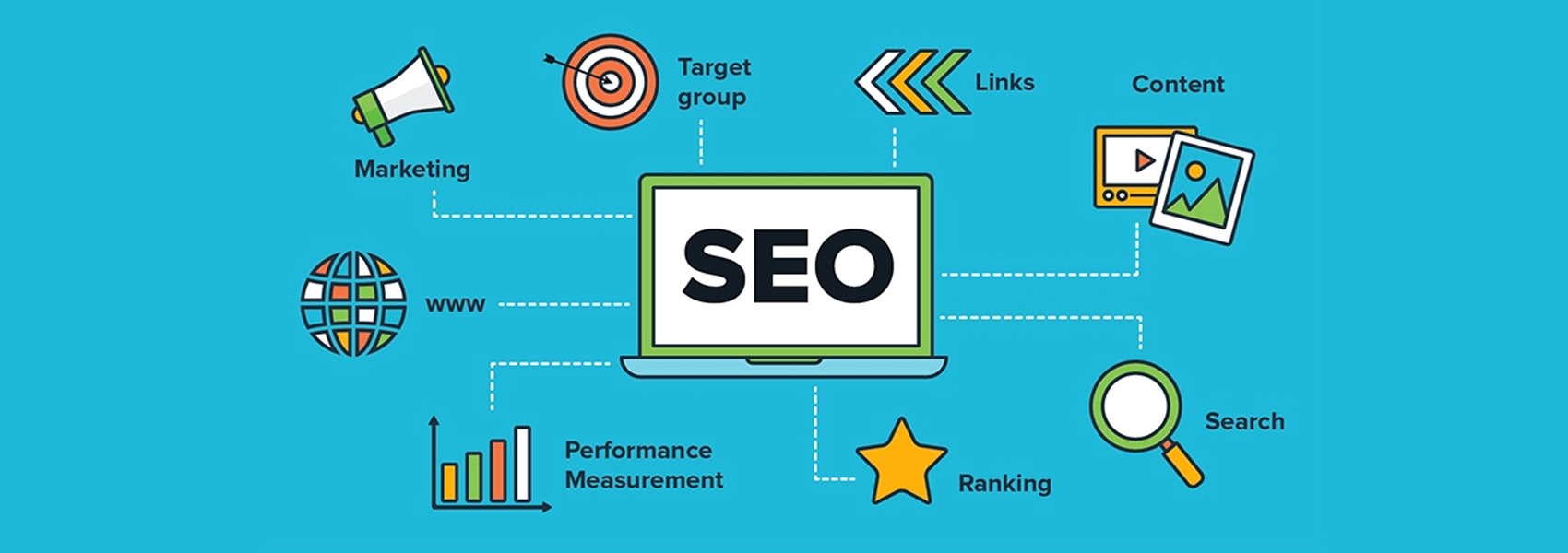
Search engine optimization (SEO) remains a fundamental part of digital marketing. Businesses that optimize their content for search engines gain higher visibility, increased website traffic, and better lead generation.
3.2 Core SEO Strategies
- Keyword Optimization: Researching and using high-ranking keywords to improve search engine ranking.
- Quality Content: Creating valuable, informative, and engaging content that meets user intent.
- Technical SEO: Enhancing website performance, mobile responsiveness, and page speed.
- Backlink Building: Acquiring authoritative backlinks to increase domain authority.
3.3 The Role of AI in SEO
AI-powered tools like Google’s RankBrain and BERT algorithm analyze user intent and content relevance. Businesses must create content that aligns with AI-driven search algorithms to maintain a competitive edge.
4. Social Media Marketing Strategies
4.1 Choosing the Right Platforms
Different social media platforms cater to different audiences. Businesses must identify where their target audience is most active and tailor content accordingly.
- Facebook & Instagram: Ideal for B2C marketing, influencer collaborations, and brand storytelling.
- LinkedIn: Best for B2B marketing, thought leadership, and professional networking.
- Twitter (X): Useful for real-time engagement, trending topics, and customer interactions.
- TikTok & YouTube: Effective for video marketing, product demonstrations, and tutorials.
4.2 Engaging Content Creation
Engagement is key to successful social media marketing. Brands must focus on:
- Creating visually appealing graphics and videos.
- Leveraging user-generated content (UGC).
- Using interactive content like polls, quizzes, and live streams.
4.3 Paid Advertising on Social Media
Paid social media campaigns allow businesses to target specific demographics, locations, and interests. Platforms like Facebook Ads and LinkedIn Ads provide advanced targeting options that maximize ad performance and ROI.
5. Email Marketing and Personalization
5.1 The Power of Email Marketing
Despite being one of the oldest digital marketing techniques, email marketing remains highly effective. Personalized email campaigns achieve higher open rates, engagement, and conversions.
5.2 Personalization and Segmentation
Using customer data, businesses can segment email lists based on demographics, behavior, and preferences to send highly targeted messages. Personalized subject lines, dynamic content, and automated drip campaigns enhance user engagement.
5.3 Email Automation and AI Integration
AI-driven email marketing tools enable automation, predictive analytics, and personalized content recommendations. Businesses can nurture leads and drive conversions with minimal manual effort.
6. The Future of Business Marketing
6.1 Sustainability and Ethical Marketing
Consumers are becoming more conscious of sustainability and ethical business practices. Brands that promote eco-friendly initiatives, social responsibility, and transparency gain trust and loyalty.
6.2 The Growing Role of Blockchain in Marketing
Blockchain technology is enhancing marketing transparency by preventing ad fraud, ensuring data security, and enabling decentralized digital identities for consumers.
6.3 The Metaverse and Virtual Branding
The metaverse is reshaping digital marketing by allowing brands to create virtual stores, host immersive events, and engage with audiences in entirely new ways. Businesses must explore opportunities in this emerging space.
Conclusion
The landscape of business marketing is evolving rapidly, driven by technology, consumer preferences, and innovative strategies. Businesses must stay ahead of the curve by embracing digital transformation, leveraging AI, optimizing for search engines, and creating personalized experiences for their audience. By understanding and implementing these latest trends, companies can build strong brand identities, enhance customer engagement, and achieve long-term success in the competitive market.
In today’s fast-paced digital world, adaptability is the key to success. As marketing continues to evolve, businesses that embrace change, innovation, and data-driven strategies will be the ones that thrive.